
Independent marine surveyors & cargo inspection at U.S. ports
24/7 Survey Inquiries: 404-390-2132 | info@amicamarine.com
Survey methods for crude oil, refined products, chemicals, grain, coal, petroleum coke, fertilizer, steel, project cargo and containerized goods moving through major U.S. ports.
Amica Marine surveys liquid bulk such as crude oil, refined products and chemicals; dry bulk such as grain, soybeans, coal, petroleum coke, fertilizer, sulfur, cement and iron ore; and general cargo such as steel products, project cargo, machinery and containerized goods at U.S. ports.
Each cargo has its own measurement method, damage mechanisms and documentation. Liquid cargo is measured by gauging and meters and is vulnerable to contamination and in-transit loss. Dry bulk cargo is weighed by draft survey and is vulnerable to wetting, heating and contamination. Steel and project cargo is counted piece by piece and is vulnerable to handling, rust and securing failures.
The table below summarizes the cargoes we survey most often, the risks that lead to disputes and the surveys used to control them.
| Cargo | Main survey risks | Typical surveys | Main Gulf Coast ports |
|---|---|---|---|
| Crude oil and condensate | Ship/shore differences, free water, OBQ/ROB, in-transit loss | Tanker cargo, sampling, bunker | Corpus Christi, Houston, Beaumont/Port Arthur, St. James |
| Refined products | Contamination, quantity, grade changes between parcels | Tanker cargo, sampling, loading supervision | Houston, Texas City, Port Arthur, Lake Charles, Lower Mississippi |
| Chemicals | Tank cleanliness, line contamination, off-spec cargo | Chemical cargo, wall wash, first-foot sampling | Houston Ship Channel, Freeport, Point Comfort, Mississippi corridor |
| Grain and soybeans | Hold rejection, wetting, heating, quantity | Hold inspection, draft, loading supervision | Lower Mississippi, Houston, Corpus Christi |
| Coal and petroleum coke | Quantity, moisture, self-heating, dust | Draft, dry bulk, sampling | Mobile, Port Arthur, Lake Charles, Houston, Plaquemines |
| Fertilizer and sulfur | Wetting, caking, contamination, IMSBC hazards | Hold inspection, draft, sampling, damage | Lower Mississippi, Houston, Mobile |
| Steel products | Rust, seawater wetting, handling damage, missing pieces | Tally, cargo damage, discharge supervision | Houston, New Orleans, Mobile |
| Project cargo and machinery | Lifting and securing damage, pre-existing defects | Project cargo, condition, supervision | Houston, Corpus Christi, Beaumont, Freeport, Mobile |
| Containerized cargo | Stowage and stuffing damage, condensation, reefer failure | Container cargo damage | Houston (Bayport, Barbours Cut), New Orleans, Mobile, Freeport |
Liquid bulk cargoes such as crude oil, petroleum products and chemicals are surveyed by gauging tanks for ullage, temperature and water, calculating standard volumes, measuring OBQ and ROB, witnessing samples, and reconciling ship and shore figures. Chemicals also require tank cleanliness inspection and first-foot sampling.
Crude oil and condensate exports from Corpus Christi and Houston, refined products from Texas and Louisiana refineries, and chemicals from the Houston Ship Channel and Mississippi River corridor all move by tanker. See tanker cargo surveys and chemical cargo surveys. LNG and LPG cargoes require specialized custody transfer measurement; attendance is assessed case by case.
Dry bulk cargoes such as grain, coal, petroleum coke, fertilizer and iron ore are surveyed by inspecting holds and hatch covers before loading, measuring cargo weight by initial and final draft survey, monitoring condition and weather during operations, sampling where required and investigating wetting or shortage claims.
Grain moves from Mississippi River elevators, coal from Mobile and Plaquemines, petroleum coke from refineries in Port Arthur, Lake Charles and Houston, and fertilizers through river and Texas terminals. Cargoes covered by the IMSBC Code, including those that may liquefy or self-heat, require documentation checks before loading. See dry bulk cargo surveys and draft surveys.
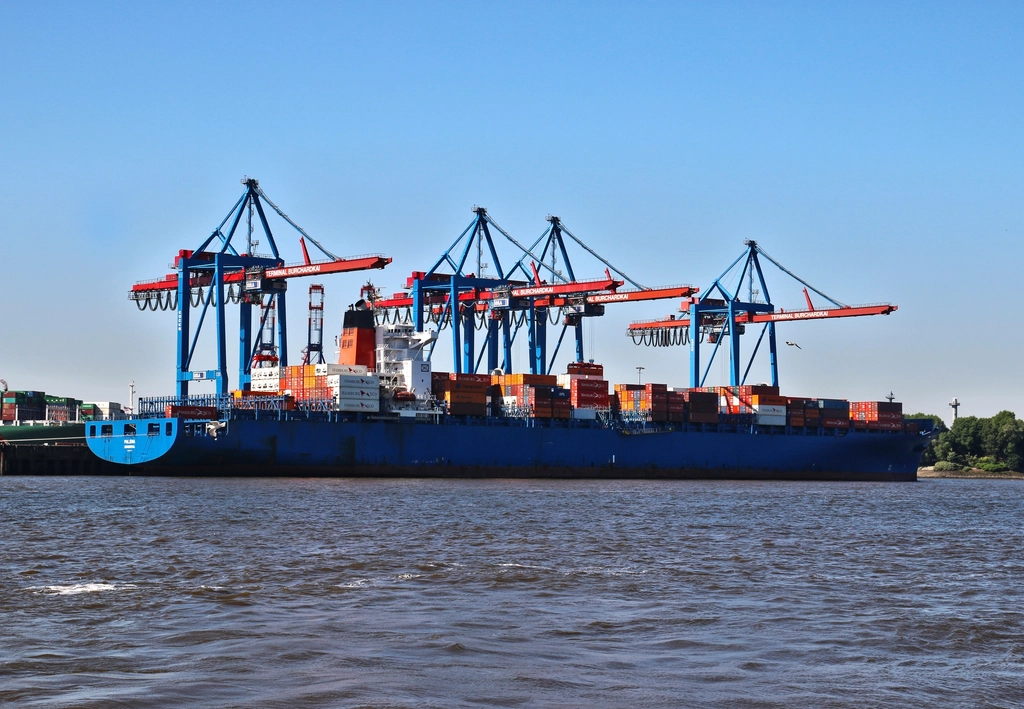
Steel, project and containerized cargoes are surveyed by recording pre-shipment condition, tallying pieces against documents, supervising lifting, stowage and lashing, identifying rust, wetting and handling damage with tests such as silver nitrate, and inspecting containers, seals and reefer records when damage is found.
Houston, New Orleans and Mobile are major steel import ports; Corpus Christi, Houston and Beaumont handle project cargo and wind components; Bayport, Barbours Cut, Napoleon Avenue, Mobile and Freeport handle containers. See breakbulk and project cargo surveys and cargo damage surveys.
These answers cover common questions from traders, shippers and receivers about how different cargo types are surveyed at U.S. ports. For a specific cargo or vessel, contact Amica Marine 24/7 at 404-390-2132 or info@amicamarine.com.
LNG and LPG surveys are assessed case by case because they need specialized custody transfer systems and terminal procedures. Send the vessel and terminal details and we confirm what can be provided.
A draft survey is the usual method. It measures the vessel’s displacement before and after operations and calculates the cargo weight from the difference.
We draw, witness and seal samples and document chain of custody. Quality analysis is performed by laboratories chosen by the parties.
Yes. We inspect containers, seals, stuffing and reefer records and the damaged goods, at the terminal or consignee warehouse within the region.
Send the vessel name, port, ETA and survey type. We respond to survey inquiries 24/7 and coordinate surveyor attendance at major U.S. seaports on the Gulf, Atlantic and Pacific coasts.