
Independent marine surveyors & cargo inspection at U.S. ports
24/7 Survey Inquiries: 404-390-2132 | info@amicamarine.com
Independent bunker quantity, delivery and on-hire or off-hire ROB surveys at Houston, Corpus Christi, the Lower Mississippi, Lake Charles and Mobile, with tank-by-tank figures your team can settle on or dispute.
A bunker survey is an independent measurement of the fuel on board a vessel or delivered to it. At U.S. ports, Amica Marine surveyors sound bunker tanks, record temperatures, apply calibration tables and density corrections, and report quantity in cubic meters and metric tons.
Amica Marine provides bunker surveys at U.S. ports for shipowners, charterers, bunker suppliers and their insurers. The purpose is simple: to give the commercial parties a quantity figure that does not depend on the ship’s own figures or the supplier’s paperwork.
Fuel is one of the largest operating costs of an ocean-going vessel. A difference of a few metric tons on a delivery of very low sulphur fuel oil (VLSFO) or marine gasoil (MGO) is a material sum, and the same applies to the remaining-on-board (ROB) figures used to settle fuel at the start and end of a time charter. An independent survey gives both sides a documented basis for settlement.
A bunker survey can be instructed for a single measurement of fuel on board, for the full monitoring of a barge or truck delivery, or for an on-hire or off-hire ROB figure. It can also be part of a wider investigation where a short delivery, fuel quality problem or excessive consumption is alleged.
Our surveyors work from the vessel’s approved tank calibration tables, observed soundings or ullages, tank temperatures and the density stated on the Bunker Delivery Note (BDN) or laboratory results. Every figure in the report can be traced back to an observed reading, a table value or a stated correction.
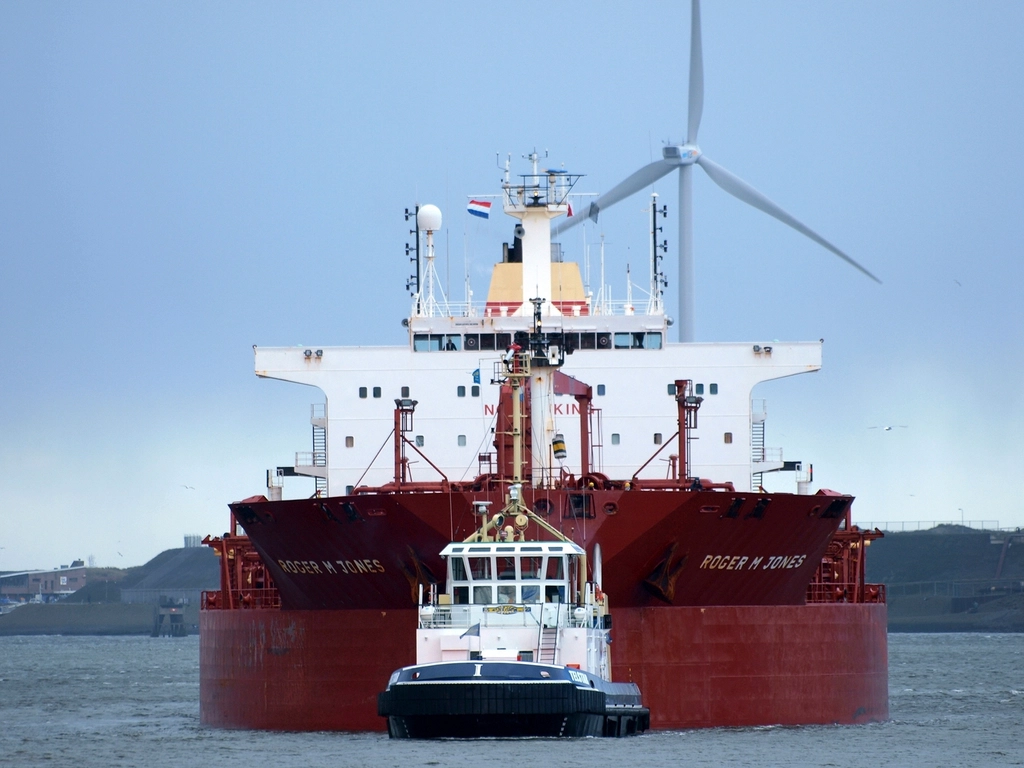
Owners and charterers need a bunker survey when fuel changes hands or responsibility: at a bunker delivery, at delivery and redelivery under a time charter, when ship and supplier figures disagree, or when fuel quality, sampling or consumption becomes the subject of a dispute.
The most common situations where an independent bunker surveyor is appointed at a Gulf Coast port are:
Charter parties often specify how bunker quantities are established at delivery and redelivery. Where the clause requires a joint or independent survey, the survey should be arranged before the vessel sails, because ROB figures cannot be reconstructed reliably once consumption resumes.
The surveyor reviews the bunker plan, sounds every relevant tank before and after delivery, checks the barge tanks, records temperatures and trim, witnesses sampling and seals, then calculates standard volume and mass from the vessel’s tables and the BDN density.
The method follows recognized bunker practice, including the delivery procedures set out in ISO 13739 and the volume correction tables of ASTM D1250 / API MPMS Chapter 11.1. A typical delivery survey includes:
Where figures differ beyond the agreed tolerance, the surveyor documents the difference and its likely sources and advises the appointing party on issuing a letter of protest before the BDN is signed.
Gulf Coast bunkering takes place at terminals, anchorages and river buoys. Houston and Galveston Bay, Corpus Christi, the Lower Mississippi River and Mobile each have different delivery patterns, launch logistics and measurement conditions that affect how a bunker survey is planned.
The Houston area is one of the largest bunkering locations in the United States. Deliveries are made by barge at berths along the Houston Ship Channel, at Galveston Bay anchorages and at terminals in Texas City. Survey timing depends on the barge schedule, channel traffic and the vessel’s berth window, so early notice of the nomination helps us plan boarding.
Corpus Christi is the leading U.S. port for crude oil exports. Tankers loading crude often take bunkers before departure, either alongside or at the offshore anchorages. ROB and delivery surveys here are frequently combined with tanker cargo surveys on the same vessel call.
Beaumont, Port Arthur and Sabine Pass serve refineries, chemical plants and LNG export terminals. Lake Charles is reached through the Calcasieu Ship Channel. Bunker deliveries in these areas are typically made alongside at the terminal while the vessel loads or discharges.
Between Southwest Pass and Baton Rouge, vessels bunker at terminals, at midstream mooring buoys and at designated anchorages. River current, high-water seasons and draft-related trim conditions can affect soundings, so the surveyor records river stage and trim and applies the corrections in the vessel’s tables.
At Mobile, deliveries are made alongside at Alabama State Port Authority terminals and at the anchorage areas in Mobile Bay. Bulk carriers loading coal or discharging steel often combine an ROB survey with a draft survey on the same call.
Attendance at anchorages and buoys depends on launch availability, weather and pilot or terminal restrictions. We confirm these logistics before you instruct the survey.
Amica Marine offers three bunker survey scopes: a single quantity or ROB survey, a full delivery survey covering vessel, barge and sampling, and an on-hire, off-hire or shortage investigation. Each is quoted in writing after we confirm port, location and documents.
| Package | Deliverables | Timeline | Starting Investment |
|---|---|---|---|
| Bunker Quantity / ROB Survey | Tank soundings or ullages, temperatures, trim and list corrections, calculation sheet, ROB in cubic meters and metric tons, short written report. | Single attendance; time on board depends on the port, berth or anchorage location and the number of tanks. Report issued after attendance. | Quote on request – based on port, ship location and scope. |
| Full Bunker Delivery Survey | Pre- and post-delivery checks of vessel and barge tanks, transfer monitoring, sample witnessing and seal records, comparison with the BDN, support with letters of protest, full report. | Covers the whole delivery; duration depends on quantity, pumping rate and berth or anchorage location. | Quote on request – based on port, ship location and scope. |
| On-Hire / Off-Hire or Shortage Investigation | ROB survey combined with charter party review, or investigation of an alleged short delivery using barge, ship and documentary evidence. | Attendance plus document review; timing agreed when the scope is confirmed. | Quote on request – based on port, ship location and scope. |
Attendance timing depends on the port and the ship’s location. Prices are not fixed: every survey is quoted on request, and the quotation is confirmed in writing before attendance. Travel to remote anchorages, launch hire and extended waiting time are stated separately in the quotation.
Book a bunker surveyor by calling 404-390-2132 or emailing info@amicamarine.com with the vessel, IMO number, port, ETA, supplier and grades. We confirm scope and quotation, assign a surveyor on written instruction and coordinate boarding with the agent and supplier.
The bunker survey report includes tank-by-tank soundings, temperatures and trim, the calculation of standard volume and mass, a comparison with BDN or charter party figures, sample and seal numbers, photographs, and copies of any letters of protest issued during attendance.
Each report is written for the commercial reader as well as the technical one. The summary page states the measured quantity, the BDN or charter party figure and the difference. The supporting pages contain:
To prepare the surveyor, please send the vessel name and IMO number, port, berth or anchorage, ETA, supplier and barge name, fuel grades and nominated quantities, the bunker nomination, and for on-hire or off-hire surveys the relevant charter party clauses. Tell us who the report should be addressed to and whether copies should go to other parties.
An independent bunker surveyor has no interest in the result. The surveyor measures the same tanks with the same tables as the ship and supplier, but records every reading and assumption, so the final figure can be checked, accepted or challenged by all commercial parties.
Ship’s staff and barge crews both have a stake in the quantity recorded. Even where both sides act in good faith, differences in sounding technique, temperature measurement, trim correction or the density figure used can produce different results. An independent surveyor resolves these differences at the time of delivery, when tanks can still be re-sounded and samples can still be secured.
For charterers, an independent on-hire or off-hire survey avoids lengthy disputes over fuel value at redelivery. For bunker suppliers, a documented delivery survey supports their figures when a buyer alleges a shortage. For P&I clubs and insurers, the survey report becomes primary evidence if a claim proceeds.
Amica Marine reports what is measured and observed. We do not certify fuel quality; laboratory testing of samples is carried out by accredited fuel testing laboratories chosen by the parties.
These answers cover the questions we hear most often from shipowners, time charterers, bunker suppliers and claims handlers before they instruct a bunker survey at a U.S. port. For a specific vessel call, contact us 24/7 at 404-390-2132 or info@amicamarine.com.
A bunker delivery survey usually lasts from the opening gauges to the closing gauges, so its length follows the delivery. Small deliveries may finish within a few hours; large VLSFO deliveries by barge can take most of a day.
Yes, subject to launch availability and weather. Anchorage and midstream buoy deliveries need boarding arrangements with the agent and launch operator, so send the location and expected delivery time as early as possible.
The surveyor records the difference, re-checks soundings and barge figures, and documents probable causes. We advise the appointing party on issuing a letter of protest before the BDN is signed and include all evidence in the report.
No. We witness sampling, record seals and document handling, but fuel testing is performed by accredited laboratories. Our report shows the chain of custody, which supports any later quality claim based on those laboratory results.
It is not mandatory, but it is advisable when the fuel value is significant or relations are strained. An independent off-hire survey gives both parties a neutral ROB figure and avoids later disputes over redelivery bunkers.
Send the vessel name, port, ETA and survey type. We respond to survey inquiries 24/7 and coordinate surveyor attendance at major U.S. seaports on the Gulf, Atlantic and Pacific coasts.