
Independent marine surveyors & cargo inspection at U.S. ports
24/7 Survey Inquiries: 404-390-2132 | info@amicamarine.com
Independent condition, lifting, stowage and securing surveys for steel, machinery, modules and wind components at Houston, Corpus Christi, Beaumont, New Orleans and Mobile.
A breakbulk and project cargo survey independently records the condition, count, handling, stowage and securing of non-containerized cargo such as steel, machinery, modules and wind components. Amica Marine surveyors inspect cargo before shipment, supervise lifting and lashing, and document damage at loading or discharge.
Amica Marine provides breakbulk and project cargo surveys at U.S. ports for shippers, freight forwarders, project logistics teams, carriers and cargo insurers. The Gulf Coast is one of the busiest regions in the United States for steel imports and project cargo, serving refining, petrochemical, LNG, power and wind energy projects.
Breakbulk and project cargo is handled piece by piece. Each lift, sling point, dunnage arrangement and lashing affects whether cargo arrives in the condition it left. Damage is often expensive: a single transformer, compressor or process module can be worth more than an entire bulk cargo.
Our surveys cover steel coils, plates, pipes and beams, machinery, transformers, process modules, vessels and columns, wind turbine blades, towers and nacelles, vehicles and rolling equipment, and general breakbulk.
Where a project requires marine warranty survey approval for insurance purposes, that approval is issued by the appointed marine warranty surveyor. Our role is independent condition, tally and supervision surveying, and we coordinate with the warranty surveyor where both attend.
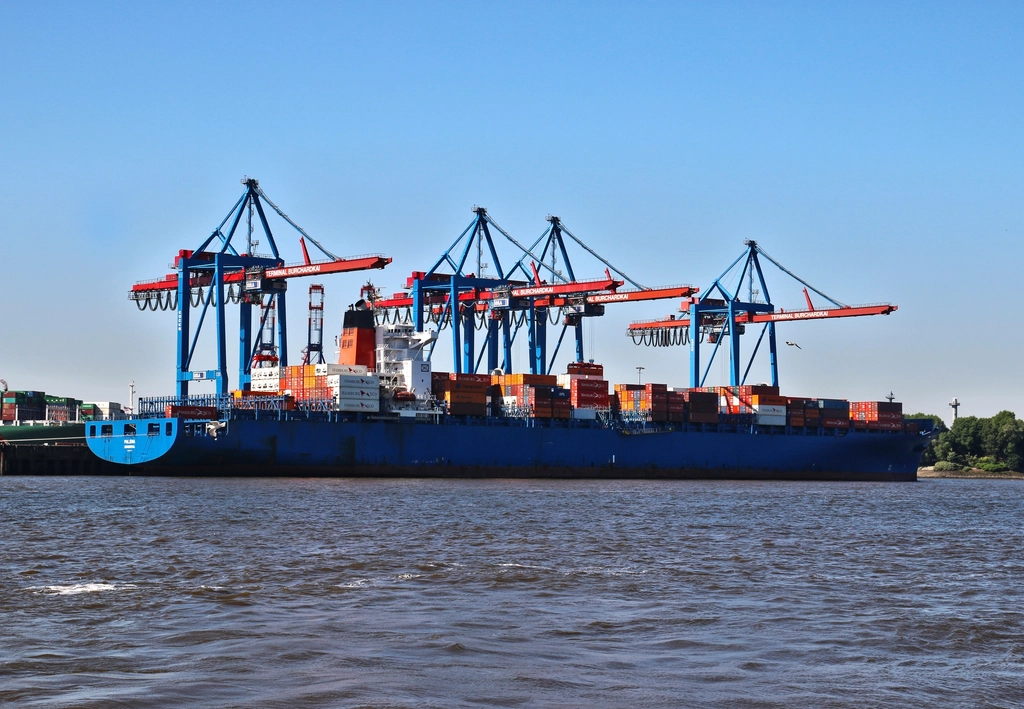
Shippers and carriers need a project cargo surveyor before shipment to record condition, during loading to check handling, stowage and lashing, at discharge to record outturn, and whenever heavy, high-value or fragile items move by heavy-lift or multipurpose vessel through Gulf Coast terminals.
A pre-shipment survey is the foundation for any later claim. Without it, arrival damage cannot easily be distinguished from pre-existing defects.
The surveyor compares rigging and lift points with cargo drawings, watches each lift for contact or overloading, checks dunnage, stowage and segregation, then inspects lashings, chocks and welding against the securing plan and Cargo Securing Manual, recording deviations, photographs and the master’s acceptance.
Securing checks follow the principles of the IMO Code of Safe Practice for Cargo Stowage and Securing and the vessel’s approved Cargo Securing Manual. A typical attendance includes:
Deviations from the plan are reported to the master, the carrier’s supercargo or port captain and the appointing party before the vessel sails.
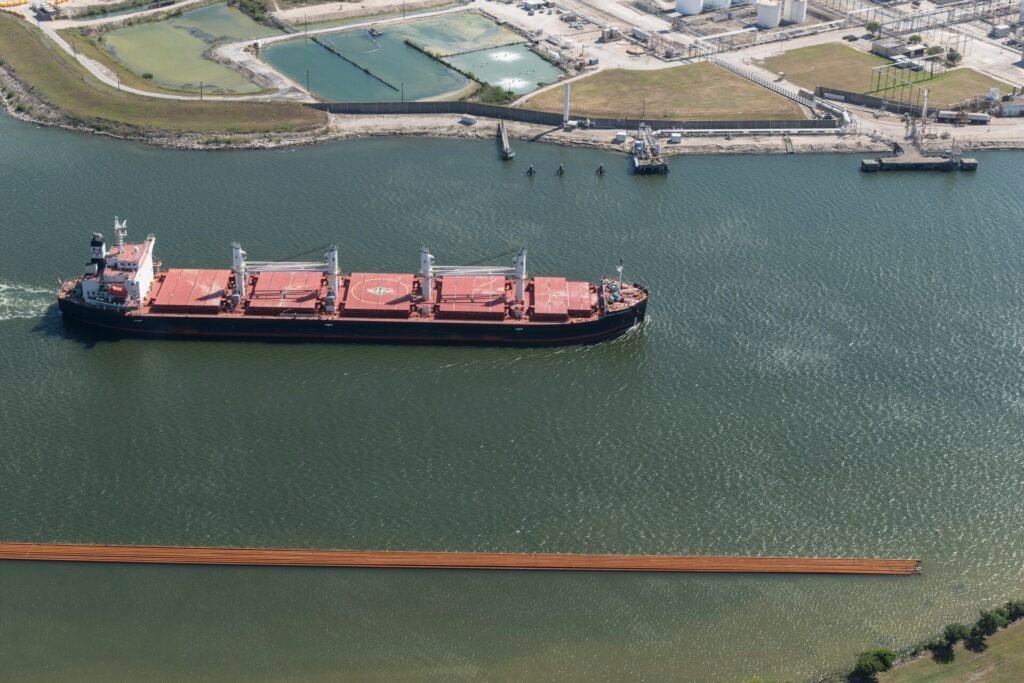
Gulf Coast project and breakbulk cargo concentrates at Port Houston’s public terminals, Corpus Christi for wind and energy components, Beaumont and Port Arthur for project and military cargo, New Orleans for steel and breakbulk, and Mobile for steel and forest products. Each terminal has its own handling methods.
Port Houston’s public terminals, including City Docks and the Turning Basin terminals, handle steel products, heavy-lift and project cargo for the Gulf Coast energy and petrochemical industries. Modules and equipment often move onward by barge or heavy-haul road transport.
Corpus Christi handles wind turbine blades, towers and nacelles, as well as equipment for energy projects. Long blades require careful handling with specialized lifting frames and laydown supports.
The Port of Beaumont handles project cargo, steel and military cargo, while Port Arthur serves refinery and energy projects. Heavy-lift ships and barges share the Sabine-Neches Waterway.
New Orleans handles steel coils and products, forest products and general breakbulk, with transshipment to river barges for inland destinations.
Mobile receives steel slabs and coils for regional mills and handles forest products and project cargo. Port Freeport handles project cargo, vehicles and machinery.
Amica Marine offers three breakbulk and project cargo survey scopes: a pre-shipment condition survey, loading and securing supervision, and full project shipment attendance from loading through discharge. Each is quoted in writing after reviewing the cargo list, plans and schedule.
| Package | Deliverables | Timeline | Starting Investment |
|---|---|---|---|
| Pre-Shipment Condition Survey | Inspection of cargo at the terminal or laydown area, marks and count, packing and preservation, existing damage with photographs, condition report before loading. | Single attendance before loading; report after attendance. | Quote on request – based on port, ship location and scope. |
| Loading and Securing Supervision | Review of stowage and lashing plan, attendance during lifting and stowage, lashing and securing checks against the plan, tally, damage records, final securing report. | Covers the loading operation; duration depends on number of lifts and securing work. | Quote on request – based on port, ship location and scope. |
| Full Project Shipment Attendance | Pre-shipment condition, loading and securing supervision, discharge attendance, outturn condition and damage records, consolidated report for the shipment. | Multiple attendances at loading and discharge, agreed with the project schedule. | Quote on request – based on port, ship location and scope. |
Attendance timing depends on the port and the ship’s location. Prices are not fixed: every survey is quoted on request, and the quotation is confirmed in writing before attendance. Marine warranty survey approval is provided by the appointed marine warranty surveyor; our scope is independent condition and supervision surveying.
Arrange a project cargo surveyor by calling 404-390-2132 or emailing info@amicamarine.com with the vessel, terminal, ETA, cargo list with weights and dimensions, and the party you represent. We review the plans, confirm scope and quotation and attend on written instruction.
A breakbulk and project cargo survey report includes cargo identification and count, pre-shipment condition with photographs, lifting observations, stowage and securing details compared with the plan, deviations and corrective actions, damage records with locations, and outturn condition at discharge where included.
Send the vessel name, terminal, ETA, cargo list with weights, dimensions and centers of gravity, packing details, stowage and lashing plans if available, and the party the report should be addressed to.
An independent surveyor documents cargo condition and securing without a stake in the carrier’s schedule or the shipper’s delivery deadline. That record protects shippers, carriers and insurers when damage occurs and gives project teams confidence that high-value equipment was handled and secured correctly.
Project shipments run to tight schedules, and there is pressure to load and sail. An independent surveyor focuses on condition and securing rather than speed, and raises issues before the vessel leaves the berth.
For shippers and project owners, our reports show the cargo left in good condition and was properly secured. For carriers, they show the vessel received cargo with any pre-existing damage noted. For insurers, they provide the evidence needed to assess a claim fairly.
We report what we observe and coordinate with marine warranty surveyors, port captains and supercargoes without taking on their roles.
Most damage to breakbulk and project cargo is caused by incorrect lifting points or rigging, contact during lifting, inadequate dunnage or bearing support, insufficient or poorly tensioned lashings, seawater exposure on deck, poor preservation of machinery and handling damage during discharge or transfer to barges and trucks.
Heavy and oversized cargo leaves little margin for error. A lift from the wrong point can bend a frame or crack a casing. Cargo stowed without proper bearing support may deform under its own weight or the motion of the vessel. Lashings that loosen during heavy weather allow cargo to shift and strike adjacent units or the ship’s structure.
Machinery and electrical equipment shipped on deck is exposed to salt spray, and corrosion can begin quickly if preservation and wrapping are inadequate. Steel products stowed in holds suffer from condensation when ventilation is poor.
Our surveyors focus on these points during pre-shipment inspection and loading: rigging against drawings, dunnage and bearing, lashing against the securing plan, and preservation of sensitive equipment. When damage still occurs, the records from loading allow its cause and stage to be identified.
These answers address common questions from shippers, freight forwarders, project logistics teams and carriers before instructing a breakbulk or project cargo survey at a U.S. port. Contact Amica Marine 24/7 at 404-390-2132 or info@amicamarine.com.
A marine warranty survey approves operations for insurance warranties. A project cargo survey independently records condition, handling and securing for shippers, carriers or insurers. Both can attend the same operation.
Yes. We record rust, wetting and mechanical damage on steel coils, plates and pipes at loading or discharge, often using silver nitrate tests to identify seawater exposure.
Yes. Corpus Christi is within our attendance area. We record blade, tower and nacelle condition and observe lifting and securing against the shipment plans.
Yes. We inspect lashing, chocks and sea fastening against the securing plan and the vessel’s Cargo Securing Manual, and report deviations before departure.
Yes. We can record condition during transfer from ship to barge at Gulf Coast terminals, which helps attribute any damage to the correct stage of transport.
Send the vessel name, port, ETA and survey type. We respond to survey inquiries 24/7 and coordinate surveyor attendance at major U.S. seaports on the Gulf, Atlantic and Pacific coasts.