
Independent marine surveyors & cargo inspection at U.S. ports
24/7 Survey Inquiries: 404-390-2132 | info@amicamarine.com
Independent cargo tally and sampling for bulk, liquid, steel and breakbulk cargoes at Houston, Corpus Christi, New Orleans, Mobile and other Gulf Coast terminals, with sealed samples and documented chain of custody.
Cargo tally and sampling surveys independently count cargo units and draw or witness representative samples during loading or discharge. Amica Marine surveyors record piece counts, marks and damaged units, seal and label samples, and document the chain of custody that laboratories, buyers and insurers rely on.
Amica Marine provides cargo tally and sampling surveys at U.S. ports for traders, shippers, receivers, carriers and insurers. Tally and sampling are often the least visible parts of a shipment, yet they determine two of the most important commercial facts: how much cargo moved and what quality it was.
A tally survey counts cargo units, such as bags, bundles, coils, pipes, crates or vehicles, against the bill of lading and packing list, and records damaged or missing units by hatch and lot. A sampling survey ensures that samples sent to the laboratory genuinely represent the cargo, are taken at the agreed point by the agreed method, and arrive with intact seals.
Sampling applies to dry bulk cargo such as fertilizer, petcoke, coal and minerals, to liquid cargo such as crude oil, products and chemicals, and to bunkers. Tally applies to breakbulk, bagged cargo, steel, project cargo and vehicles.
Official inspection and sampling of U.S. export grain are carried out by the Federal Grain Inspection Service or delegated agencies. For grain, our role is to witness and document commercial aspects of the operation where instructed.
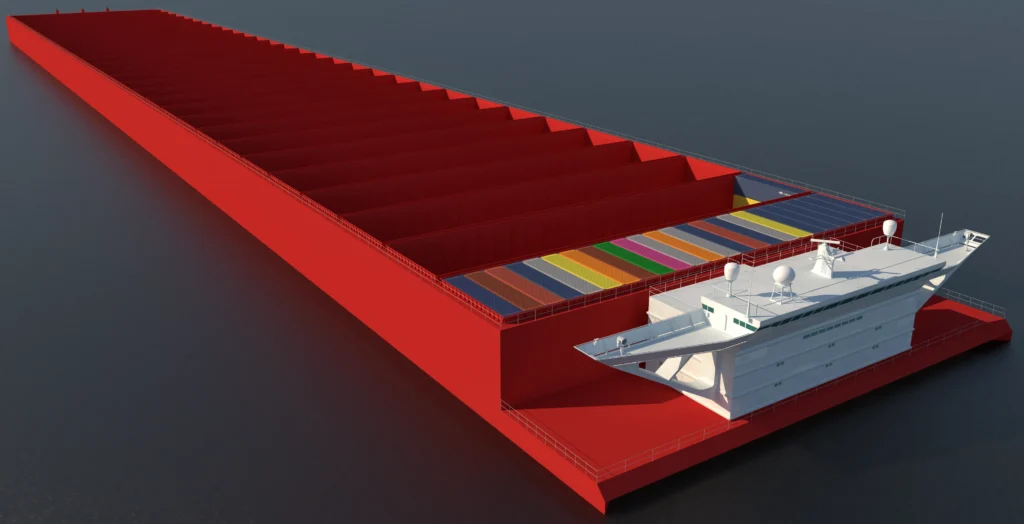
Tally and sampling surveys are required when sales contracts specify independent sampling, when cargo quality decides price or acceptance, when breakbulk or bagged cargo must be counted against documents, when shortages or quality disputes are expected, and when laboratories need reliable chain-of-custody evidence.
Agreeing the sampling method before the vessel arrives is essential. Samples taken by an unagreed method may be rejected by the other party, however carefully they were drawn.
The surveyor confirms the contractual sampling standard and point, draws or witnesses incremental samples through the operation, combines them into composites where required, divides samples for each party, seals and labels each container, and records seal numbers, times and recipients in a chain-of-custody statement.
Sampling methods depend on the cargo and the contract. Common references include ISO and ASTM standards for solid bulk sampling and API MPMS Chapter 8 for petroleum sampling. A typical sampling attendance includes:
For tally, the surveyor records units by hatch and lot, checks marks and numbers against documents, notes damaged units and reconciles counts with stevedore tallies at the end of each shift.
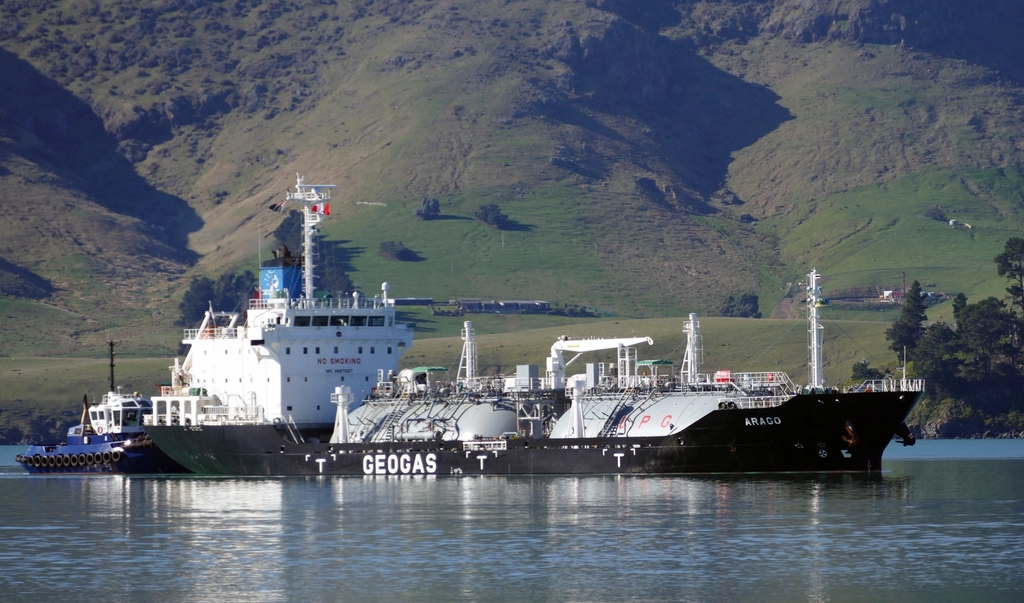
Gulf Coast tally and sampling work follows the cargo mix of each port: liquid sampling at refinery and chemical terminals in Houston, Corpus Christi and the Sabine-Neches; bulk sampling for petcoke, fertilizer and coal; and tally of steel, bagged cargo and project cargo at Houston, New Orleans and Mobile.
Liquid sampling dominates at refinery and chemical terminals, while steel imports and breakbulk at the public terminals require tally. Petroleum coke loadings often require sampling for moisture and quality.
Crude oil and condensate export cargoes are sampled at terminals, often with retained samples held for the buyer. Grain and aggregates also move through the port.
Refinery products and petcoke exports require liquid and bulk sampling. Project and military cargo through Beaumont requires tally and condition records.
Steel, bagged cargo and breakbulk at New Orleans are tallied by hatch and lot, while bulk fertilizers, coal and other minerals along the river are sampled during loading or discharge, sometimes at midstream buoys.
Coal exports are commonly sampled for quality, and steel slabs and coils are tallied at discharge for receiving mills.
Amica Marine offers three scopes: witnessed sampling and sealing, a cargo tally survey by hatch and lot, and a full sampling program with weighing or measurement checks. Each is quoted in writing after confirming cargo, terminal, contract sampling terms and the reporting the parties require.
| Package | Deliverables | Timeline | Starting Investment |
|---|---|---|---|
| Witnessed Sampling and Sealing | Attendance at sampling, verification of sampling point and method, sealing and labelling, sample distribution record and chain-of-custody statement. | Attendance at the agreed sampling stage; record issued after attendance. | Quote on request – based on port, ship location and scope. |
| Cargo Tally Survey | Piece, package or unit count by hatch and by lot, marks and numbers checked against documents, damaged or missing units recorded, tally sheets and summary. | Covers loading or discharge; duration follows the operation and shift pattern. | Quote on request – based on port, ship location and scope. |
| Sampling Program with Measurement | Sampling plan for the full operation, incremental or composite samples, cargo weighing or measurement checks, sample records and consolidated report. | Continuous or scheduled attendance throughout the operation. | Quote on request – based on port, ship location and scope. |
Attendance timing depends on the port and the ship’s location. Prices are not fixed: every survey is quoted on request, and the quotation is confirmed in writing before attendance. Laboratory analysis, courier of samples and storage of retained samples are billed separately or arranged by the parties.
Book a sampling or tally surveyor by calling 404-390-2132 or emailing info@amicamarine.com with the vessel, terminal, ETA, cargo, quantity and contract sampling or tally requirements. We confirm method and quotation, then attend on written instruction and report as agreed.
A tally or sampling survey report includes the agreed method, sampling points and times, sample descriptions, seal numbers and recipients, a chain-of-custody statement, or tally sheets by hatch and lot with totals, damaged and missing units, photographs and notes of protest exchanged during the operation.
Send the vessel name, terminal, ETA, cargo description, quantity, packaging or grade, the sampling or tally clauses of the contract, the number of samples required and their recipients, and the party the report should be addressed to.
An independent surveyor ensures samples and counts are not controlled by one commercial party. Buyers, sellers and laboratories can rely on samples drawn and sealed under agreed conditions, and on tallies reconciled against documents, which reduces quality and shortage disputes.
A laboratory result is only as good as the sample behind it. If one party controls sampling alone, the other party may reject the result. Independent sampling with recorded seals and chain of custody gives both sides confidence in the analysis.
The same applies to tally. Stevedore tallies serve operational needs; an independent tally records counts and damage for commercial and insurance purposes, by hatch and lot, as the cargo moves.
Amica Marine draws, witnesses and documents samples and counts. Analysis is carried out by laboratories chosen by the parties.
A cargo sample is representative when it is drawn by an agreed method at the agreed point and frequency, from the whole lot rather than one location, combined and divided correctly, and kept in clean, sealed containers with a documented chain of custody from sampling to the laboratory.
Representative sampling is harder than it looks. Bulk cargoes segregate by particle size during handling, so a sample from the top of a stockpile or one grab does not reflect the whole lot. Liquid cargoes may stratify in tanks, so running samples or samples from several levels are needed. Free water and sediment settle at the bottom of tanks and must be measured separately.
Standards for solid and liquid sampling therefore define how many increments to take, from where and how often, and how to combine and divide them. Clean equipment and containers prevent contamination of the sample itself.
Chain of custody completes the process. Seal numbers, labels and records of who held each sample and where it was sent allow the laboratory result to be linked back to the cargo and accepted by the other party. Our sampling reports document each step for this reason.
These answers address common questions from traders, shippers, receivers and insurers before instructing a cargo tally or sampling survey at a U.S. port. For a specific vessel, contact Amica Marine 24/7 at 404-390-2132 or info@amicamarine.com.
Samples are analyzed by independent laboratories chosen by the buyer, seller or both. We draw or witness the samples, seal them and document their chain of custody so the laboratory results can be relied upon.
The contract usually specifies the number and type. A common arrangement provides samples for the buyer, the seller, an umpire laboratory and a retained sample, each sealed and labelled separately.
Official grain sampling and inspection are performed by FGIS or delegated agencies. We can witness and document commercial aspects of the operation when instructed by a buyer, seller or insurer.
Yes. We tally steel coils, slabs and other products by hatch and lot at Gulf Coast terminals, checking marks against documents and recording damaged or missing units.
Retention periods are set by the contract or the parties. We record where retained samples are stored and by whom, so they can be located if a dispute arises.
Send the vessel name, port, ETA and survey type. We respond to survey inquiries 24/7 and coordinate surveyor attendance at major U.S. seaports on the Gulf, Atlantic and Pacific coasts.