
Independent marine surveyors & cargo inspection at U.S. ports
24/7 Survey Inquiries: 404-390-2132 | info@amicamarine.com
Independent on-hire and off-hire condition surveys, combined condition and bunker surveys, and pre-purchase condition inspections for bulk carriers, tankers and multipurpose vessels at Gulf Coast ports.
A vessel condition survey is an independent inspection that records a ship’s physical condition at a specific time, usually at delivery or redelivery under a charter, or before purchase. Amica Marine surveyors document hull, holds or tanks, hatch covers, fittings and equipment with photographs and a damage list.
Amica Marine provides vessel condition surveys at U.S. ports for shipowners, charterers, operators, buyers and financiers. The most common reason is a time charter: when a vessel is delivered to charterers and later redelivered, owners and charterers need a record of its condition at each point to decide who pays for any damage that occurred in between.
A condition survey looks at the parts of the vessel that charterers use and can damage: cargo holds or tanks, hatch covers, deck fittings, cranes and cargo gear, and the hull areas exposed to tugs, fenders and terminals. It also records items that affect the vessel’s fitness for the intended trade, such as hold coatings for grain or tank coatings for chemicals.
For buyers and financiers, a general condition or pre-purchase inspection provides an independent view of the vessel’s visible condition and records, alongside class records and the buyer’s own technical review.
Amica Marine provides independent commercial condition surveys. We do not perform class or statutory surveys, and our reports do not replace class or flag-state certificates.
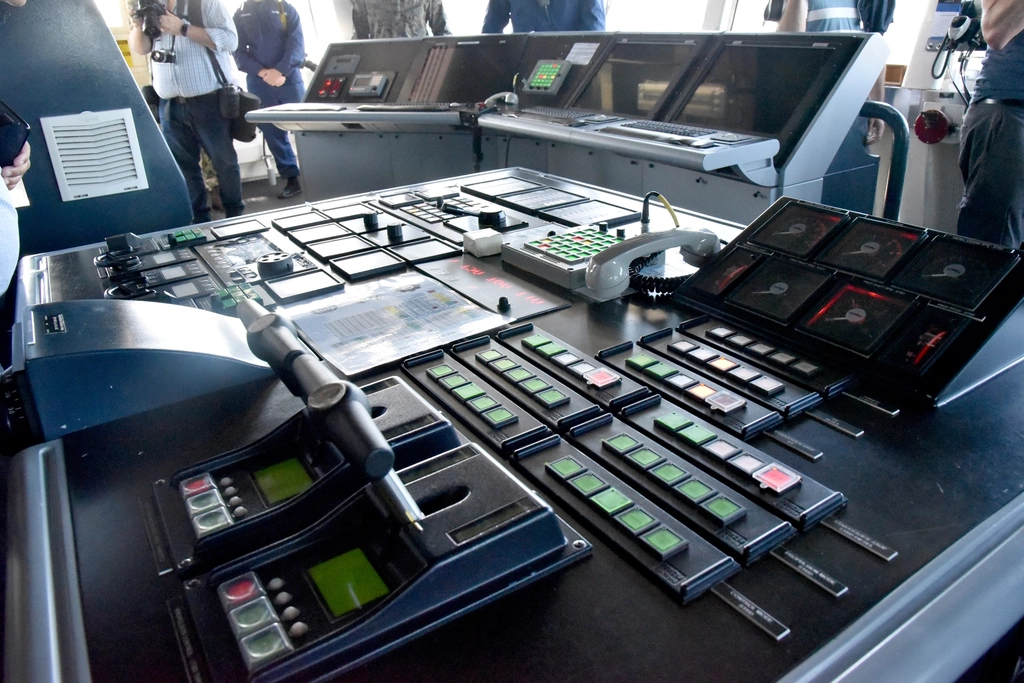
On-hire and off-hire condition surveys are needed when a vessel is delivered into or redelivered from a time charter, when charter parties require a joint survey, when stevedore damage occurred during the charter, and when owners and charterers must settle repair costs or hold cleaning at redelivery.
Charter parties usually state whether the survey is joint or separate and who bears its cost. Where both parties appoint surveyors, a joint survey with a signed record of agreed and disputed items avoids later arguments.
The surveyor inspects hull plating above the waterline, cargo holds or tanks, hatch covers and coamings, deck fittings, cranes and cargo gear, mooring equipment, accommodation and other agreed areas, recording dents, cracks, coating damage, wastage and missing items with photographs referenced to locations.
Underwater areas are not normally inspected in a condition survey. If underwater inspection is required, it is arranged with divers and reported separately.
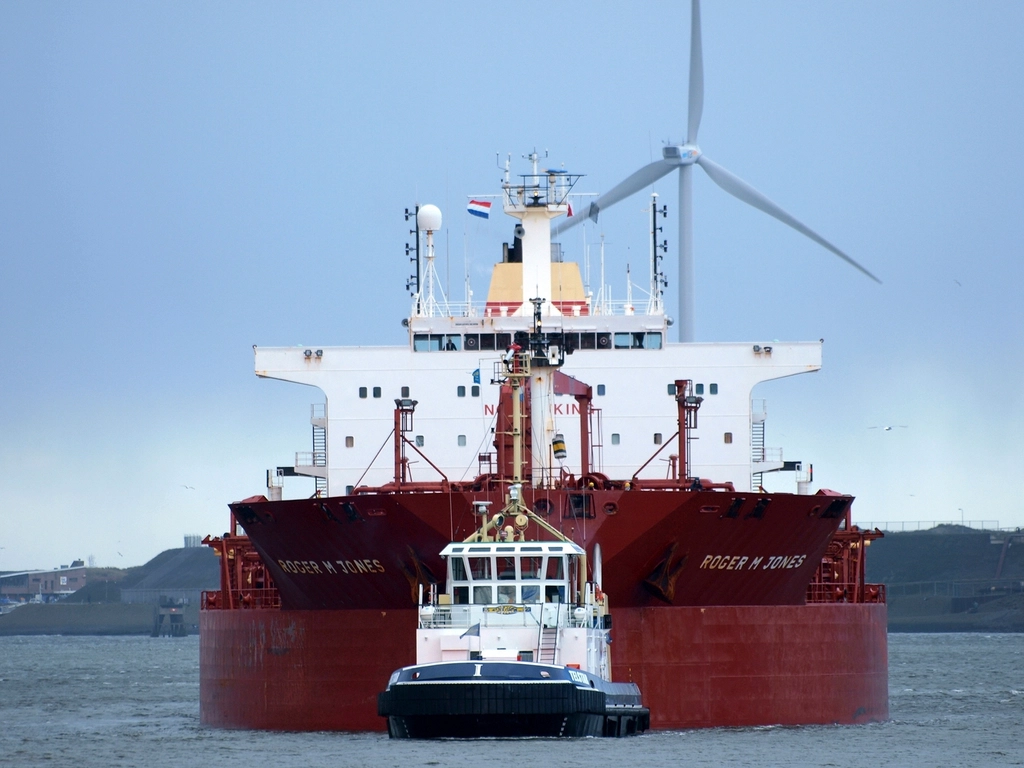
Gulf Coast ports are frequent delivery and redelivery points because many charters begin or end with a U.S. Gulf cargo. Condition surveys are usually scheduled during cargo operations at Houston, the Lower Mississippi, Corpus Christi and Mobile, so the vessel loses no time.
Bulk carriers, tankers and multipurpose vessels are delivered or redelivered here while loading grain, petroleum coke, steel or liquid cargo. Surveys are scheduled around berth windows and cargo operations.
Grain loading at river elevators makes the Mississippi a common delivery area for bulk carriers. Charter parties often refer to delivery on passing a point such as the pilot station, so the physical survey is scheduled at the first berth or anchorage.
Tankers delivered for crude export voyages are surveyed at Corpus Christi or Ingleside terminals. Tank condition and coatings receive particular attention.
Bulk carriers loading coal or discharging steel at Mobile are often delivered or redelivered there, with condition surveys combined with draft and bunker surveys.
Petcoke, product and project cargo trades bring delivery and redelivery surveys at these ports, scheduled around terminal shifts.
Combining condition and bunker surveys in one attendance reduces boarding costs and gives both parties one consolidated record.
Amica Marine offers three vessel condition survey scopes: an on-hire or off-hire condition survey, a combined condition and bunker ROB survey, and a pre-purchase or general condition inspection. Each scope is quoted in writing after confirming vessel type, port and the applicable contract terms.
| Package | Deliverables | Timeline | Starting Investment |
|---|---|---|---|
| On-Hire or Off-Hire Condition Survey | Inspection of hull, holds or tanks, hatch covers, deck fittings, cargo gear and accommodation; photographs; damage list; signed statement for owners and charterers. | Single attendance, usually during cargo operations or before delivery; report after attendance. | Quote on request – based on port, ship location and scope. |
| Combined Condition and Bunker Survey | On-hire or off-hire condition survey plus bunker ROB survey, with one consolidated report for the charter party settlement. | Single attendance covering both scopes. | Quote on request – based on port, ship location and scope. |
| Pre-Purchase or General Condition Inspection | Inspection of hull, machinery spaces, cargo spaces and equipment as accessible, review of class status, certificates and maintenance records, condition report for a buyer or financier. | One or more days on board, depending on vessel size and access. | Quote on request – based on port, ship location and scope. |
Attendance timing depends on the port and the ship’s location. Prices are not fixed: every survey is quoted on request, and the quotation is confirmed in writing before attendance. Pre-purchase inspections are commercial condition inspections; they do not replace class records or a buyer’s technical superintendent.
Book an on-hire or off-hire survey by calling 404-390-2132 or emailing info@amicamarine.com with the vessel, IMO number, port, ETA, charter party terms and whether a bunker survey is also needed. We confirm scope and quotation and coordinate boarding with the agent.
A vessel condition survey report includes vessel particulars, attendance details, a summary of condition, a numbered damage list with locations, photographs referenced to each item, hold or tank cleanliness observations, records reviewed, and signatures or comments from the master and other parties at joint surveys.
Send the vessel name, IMO number, port, ETA, survey type, relevant charter party clauses, previous on-hire report for off-hire surveys, and contact details of the other party’s representative if a joint survey is planned.
An independent surveyor gives owners and charterers one neutral record of the vessel’s condition at delivery and redelivery. Comparing those records shows what changed during the charter, so repair costs and cleaning claims can be settled on evidence rather than negotiation.
Without an on-hire record, owners cannot easily prove that damage found at redelivery happened during the charter. Without an off-hire record, charterers cannot easily rebut claims for damage that already existed. Independent surveys at both points remove that uncertainty.
Our condition reports use consistent locations and photographs, so the on-hire and off-hire reports can be compared item by item. This shortens settlement discussions and reduces the need for further inspections.
For buyers and financiers, an independent condition inspection adds an outside view to the seller’s information, without replacing class records or a technical superintendent’s review.
Condition disputes at redelivery are resolved by comparing on-hire and off-hire survey records item by item, reviewing stevedore damage reports issued during the charter, and applying the charter party clauses on condition, cleaning and repair costs. Items not recorded at on-hire are usually presumed to have arisen during the charter.
Clear records make settlement straightforward. If the on-hire report shows a dented hatch coaming and the off-hire report shows the same dent, it is not a charterers’ item. If a new dent appears and a stevedore damage report was issued during the charter, charterers or stevedores are normally responsible. If no on-hire record exists, owners and charterers must rely on photographs, logbooks and memory, which leads to long negotiations.
Hold or tank cleanliness at redelivery is a frequent issue. Charter parties often require redelivery in the same condition as delivery or allow a lump sum in lieu of cleaning. The condition survey records cleanliness against the agreed standard so the lump sum or cleaning cost can be applied correctly.
Our condition reports use consistent location references and photographs at both surveys so that comparison is quick and objective.
These answers address common questions from shipowners, time charterers, buyers and financiers before instructing a vessel condition survey at a U.S. port. For a specific vessel, contact Amica Marine 24/7 at 404-390-2132 or info@amicamarine.com.
It is not legally mandatory, but many charter parties call for one, and it is strongly advisable. Without an on-hire record, damage disputes at redelivery are much harder to resolve.
Yes. Most condition surveys at Gulf Coast ports take place while the vessel works cargo, so no time is lost. Holds or tanks being worked are inspected when safely accessible.
Not as part of a standard condition survey. Underwater inspection requires divers or dry docking and is arranged separately when the charter party or buyer requires it.
Yes. Combining on-hire or off-hire condition and bunker ROB surveys in one attendance is common and gives owners and charterers one consolidated report.
No. A pre-purchase inspection records visible condition and reviews records for a buyer. Class surveys verify compliance with class rules and are performed only by the classification society.
Send the vessel name, port, ETA and survey type. We respond to survey inquiries 24/7 and coordinate surveyor attendance at major U.S. seaports on the Gulf, Atlantic and Pacific coasts.