
Independent marine surveyors & cargo inspection at U.S. ports
24/7 Survey Inquiries: 404-390-2132 | info@amicamarine.com
Independent cargo damage surveys for steel, breakbulk, bulk, liquid and containerized cargo at Houston, New Orleans, Mobile, Freeport and Corpus Christi, establishing extent, cause and stage of loss.
A cargo damage survey is an independent inspection of cargo found damaged, wet, contaminated or short on arrival. Amica Marine surveyors establish the extent of the loss, its probable cause and when it occurred, then document evidence for carriers, cargo owners, insurers and P&I clubs.
Amica Marine provides cargo damage surveys at U.S. ports for cargo receivers, shippers, cargo insurers, carriers and P&I clubs. We attend bulk, liquid, breakbulk, project and containerized cargo, on board, at the terminal or at the consignee’s warehouse.
A cargo damage survey answers three questions. What is the extent of the damage? What is its most probable cause? And at which stage did it occur: before loading, during the voyage, during discharge or after delivery? The answers decide who bears the loss under the bill of lading, the sales contract and the insurance policies.
Common cases include seawater-wetted steel coils, rusted pipes and plates, wet or heated grain, contaminated liquid cargo, crushed or shifted breakbulk, and containerized goods damaged by poor stowage, condensation or reefer temperature failure.
Evidence disappears quickly once cargo is delivered, processed or sold. Early attendance preserves the facts and allows mitigation, such as drying, sorting or reconditioning, that reduces the final claim.
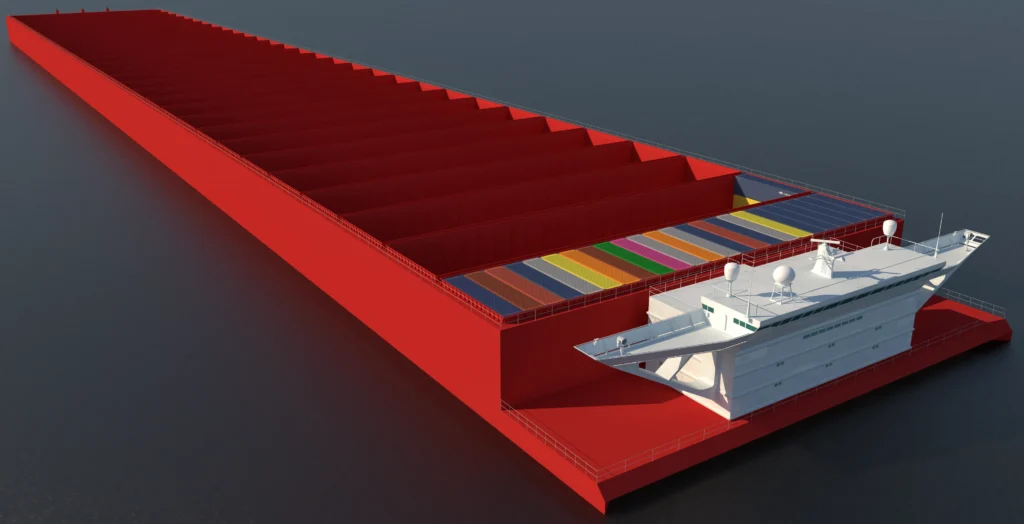
A cargo damage surveyor should be called as soon as damage, shortage or contamination is suspected: when holds are opened, when containers are found with broken seals or visible damage, when outturn differs from bills of lading, and before damaged cargo is moved, sold or processed.
Written notice of damage should be given to the carrier promptly. Under U.S. law for carriage by sea, notice of loss or damage must generally be given at the time of delivery or, for damage not apparent, within a short period after it. The surveyor’s report supports that notice.
The surveyor examines damage patterns and their location in the hold or container, tests for salt or fresh water, checks hatch covers, ventilation, stowage, lashing and reefer records, reviews loading port reports and voyage weather, and matches the evidence to the most probable cause and stage.
Cause analysis combines physical evidence and documents:
The report explains which evidence supports the conclusion and which evidence is missing, so the parties can assess the strength of their positions.
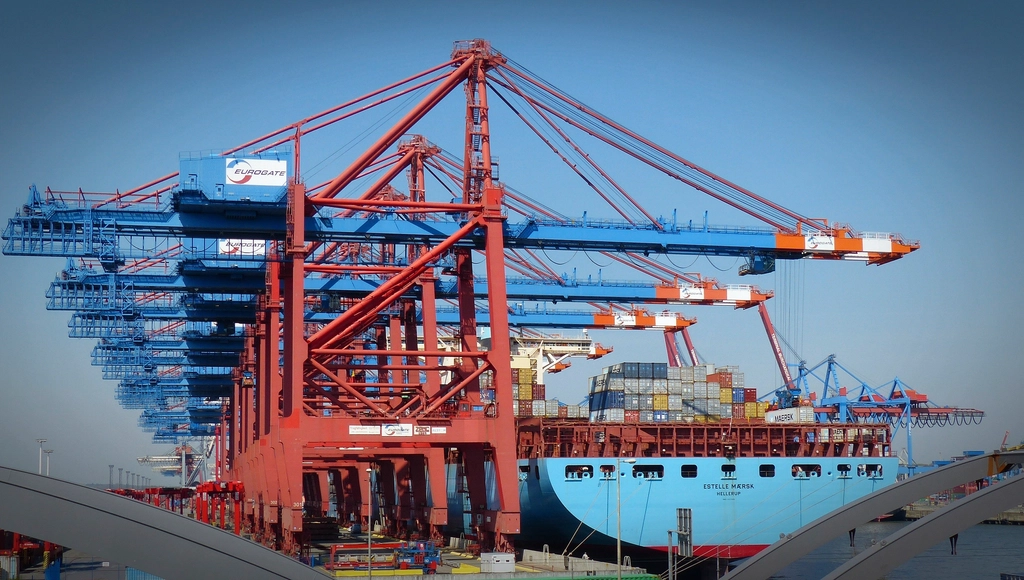
Gulf Coast cargo damage cases center on steel and breakbulk at Houston, New Orleans and Mobile, containers at Bayport, Barbours Cut, Napoleon Avenue, Mobile and Freeport, grain and bulk on the Mississippi, and liquid cargo at refinery and chemical terminals. Each requires different inspection methods.
Port Houston is a leading U.S. port for steel imports and project cargo, handled at its public terminals, with containers at Bayport and Barbours Cut. Steel coils, pipes, plates and beams are frequently surveyed for rust, wetting and handling damage.
The Port of New Orleans handles steel, rubber, forest products and containers at the Napoleon Avenue terminal. Upriver, grain, coal and other bulk cargoes are surveyed for wetting, heating and contamination, often at midstream buoys.
Mobile handles steel slabs and coils for regional mills, forest products, coal and containers at the APM Terminals facility. Steel damage surveys here often involve large discharges over several days.
Port Freeport handles containers, vehicles and project cargo; Galveston handles ro-ro and breakbulk. Vehicle and machinery damage surveys are common.
Liquid cargo contamination and dry bulk wetting claims arise from export trades here, with project cargo such as wind energy components also moving through Corpus Christi.
For containers moved inland after discharge, we can attend at the consignee’s premises within the region when instructed.
Amica Marine offers three cargo damage survey scopes: preliminary damage attendance with mitigation advice, a full damage survey including cause, extent and depreciation or salvage assessment, and a container cargo damage survey. Each is quoted in writing after we confirm cargo, location and parties.
| Package | Deliverables | Timeline | Starting Investment |
|---|---|---|---|
| Preliminary Damage Attendance | Inspection of damaged cargo on board, at the terminal or in the warehouse, photographs, count of affected units, preliminary view on cause, mitigation advice. | Single attendance; preliminary report after attendance. | Quote on request – based on port, ship location and scope. |
| Full Cargo Damage Survey | Detailed inspection, tests such as silver nitrate for salt water, sampling, joint survey, extent and probable cause, depreciation or salvage assessment, full report. | One or more attendances; final report after documents and sale or repair figures are received. | Quote on request – based on port, ship location and scope. |
| Container Cargo Damage Survey | Container exterior and seal check, stuffing and securing inspection, reefer temperature log review, damage count and cause, report for carrier, shipper or insurer. | Attendance at the terminal or consignee warehouse; report after attendance. | Quote on request – based on port, ship location and scope. |
Attendance timing depends on the port and the ship’s location. Prices are not fixed: every survey is quoted on request, and the quotation is confirmed in writing before attendance. Laboratory testing, travel to inland warehouses and salvage sale supervision are listed separately.
Request a cargo damage surveyor by calling 404-390-2132 or emailing info@amicamarine.com with the vessel or container numbers, location, cargo, bill of lading and a description of the damage. We confirm instructions and quotation and attend as soon as access is available.
A cargo damage survey report includes the description and quantity of cargo affected, photographs, test and sample results, vessel or container condition, stowage observations, probable cause and stage of damage, joint survey records, mitigation steps, and the recommended basis for settlement such as depreciation or salvage value.
Send the vessel name or container numbers, bill of lading, cargo description and quantity, current location of the cargo, a short description and photographs of the damage, and the contact details of the receiver and the carrier’s agent.
An independent surveyor documents damage and cause without bias toward carrier, shipper or receiver. That record lets the parties settle on evidence rather than assumptions, supports recovery against the responsible party and helps insurers reserve and settle claims efficiently.
Cargo claims involve several parties with opposing interests: the shipper, the carrier, the receiver, stevedores, terminals and their insurers. Each may have its own surveyor. An independent, well-documented report from an early attendance often becomes the reference point for all of them.
Our reports focus on facts first, then opinion. Readers can see what was observed, what tests showed and how the conclusion follows. Where the evidence is incomplete, we say so.
We also look for ways to reduce the loss. Sorting damaged from sound cargo, drying or reconditioning goods, and timely salvage sales often save more than the cost of the survey.
The loss amount is assessed by establishing the quantity and degree of damage, then applying the method that best reflects the commercial loss: depreciation allowance for usable goods, reconditioning cost where goods can be restored, or sound market value less salvage proceeds where goods must be sold as damaged.
Choosing the right method reduces disputes. Steel coils with light surface rust may remain usable with a depreciation allowance agreed between the receiver and insurers. Wetted bagged cargo may be dried, re-bagged and sold at full or near-full value after reconditioning. Severely damaged or contaminated cargo may need to be sold for salvage, with the net proceeds deducted from the sound value.
The surveyor documents the condition of each lot, obtains or verifies market values and quotations for reconditioning, and records salvage sale terms and proceeds where relevant. Mitigation costs reasonably incurred to reduce the loss are recorded separately.
Our reports set out the calculation transparently, so cargo insurers, carriers and P&I clubs can see how the figure was reached and settle or negotiate on a clear basis.
These answers address common questions from receivers, cargo insurers, carriers and P&I clubs when cargo arrives damaged at a U.S. port. For an active claim, contact Amica Marine 24/7 at 404-390-2132 or info@amicamarine.com.
As soon as damage is suspected and before cargo is moved, processed or sold. Early inspection preserves evidence, supports timely notice to the carrier and allows mitigation that reduces the final loss.
A silver nitrate test detects chlorides found in seawater. Combined with the damage pattern and vessel condition, it helps distinguish seawater ingress through hatch covers from condensation or rain during handling.
Yes. We inspect containers, seals and contents at Houston container terminals and at consignee warehouses in the region, including reefer temperature records where relevant.
Yes. Joint surveys are standard in cargo claims. Our surveyor records agreed facts and disputed points and reports them to the instructing party.
We assess salvage value and can recommend and supervise a salvage sale process on instruction, documenting the proceeds so the net loss is clear for the claim.
Send the vessel name, port, ETA and survey type. We respond to survey inquiries 24/7 and coordinate surveyor attendance at major U.S. seaports on the Gulf, Atlantic and Pacific coasts.