
Independent marine surveyors & cargo inspection at U.S. ports
24/7 Survey Inquiries: 404-390-2132 | info@amicamarine.com
Hold cleanliness and hatch cover inspections, loading and discharge supervision, draft surveys and shortage or damage surveys for grain, coal, petcoke, fertilizer and other bulk cargoes at Gulf Coast ports.
A dry bulk cargo survey independently inspects holds, hatch covers and cargo condition and records quantities for bulk carriers. Amica Marine surveyors check hold cleanliness, monitor loading or discharge, perform draft surveys, document weather and stowage, and investigate shortage, wetting or contamination.
Amica Marine provides dry bulk cargo surveys at U.S. ports for shippers, receivers, charterers, owners, traders and insurers. The Gulf Coast moves a large share of U.S. bulk exports, including grain and soybeans from Mississippi River elevators, coal through Mobile, and petroleum coke from refineries in Texas and Louisiana, as well as imports of steel raw materials, cement, fertilizer and aggregates.
Bulk cargo disputes usually concern one of three questions: was the vessel fit to load, how much cargo was loaded or discharged, and in what condition did it arrive? An independent surveyor answers each question with observations made at the time.
Our dry bulk surveys combine hold inspection, hatch cover checks, cargo condition monitoring, draft surveys and sampling, depending on the instruction. The surveyor works with the master, the terminal or elevator, the agent and, for grain, the official inspection personnel present at the loading berth.
Official grain inspection and weighing at U.S. export elevators are carried out by the USDA Federal Grain Inspection Service or delegated agencies. Our role is commercial and independent: we document vessel and cargo conditions for the party that appoints us.

Shippers and owners need a bulk cargo survey before loading to confirm holds are clean and hatch covers tight, during loading or discharge to record quantity and condition, when cargo arrives wet, heated, contaminated or short, and when charter parties require independent hold acceptance.
Holds rejected at a grain elevator can cost a vessel its berth window. A pre-arrival or pre-presentation inspection helps owners and charterers correct problems before the official inspection.
The surveyor inspects each hold for residues of previous cargo, loose rust, paint flakes, odor, moisture and insects, checks bilge covers and ladders, then examines hatch cover seals, compression bars, cleats and drainage, and may perform an ultrasonic or hose test to confirm weathertightness.
Inspection standards depend on the cargo and the charter party, from grain clean to normal clean for coal or petcoke. A typical inspection includes:
For cargoes covered by the IMSBC Code, the surveyor also reviews the shipper’s cargo declaration, the moisture content and transportable moisture limit (TML) certificates for Group A cargoes, and the master’s acceptance documents.
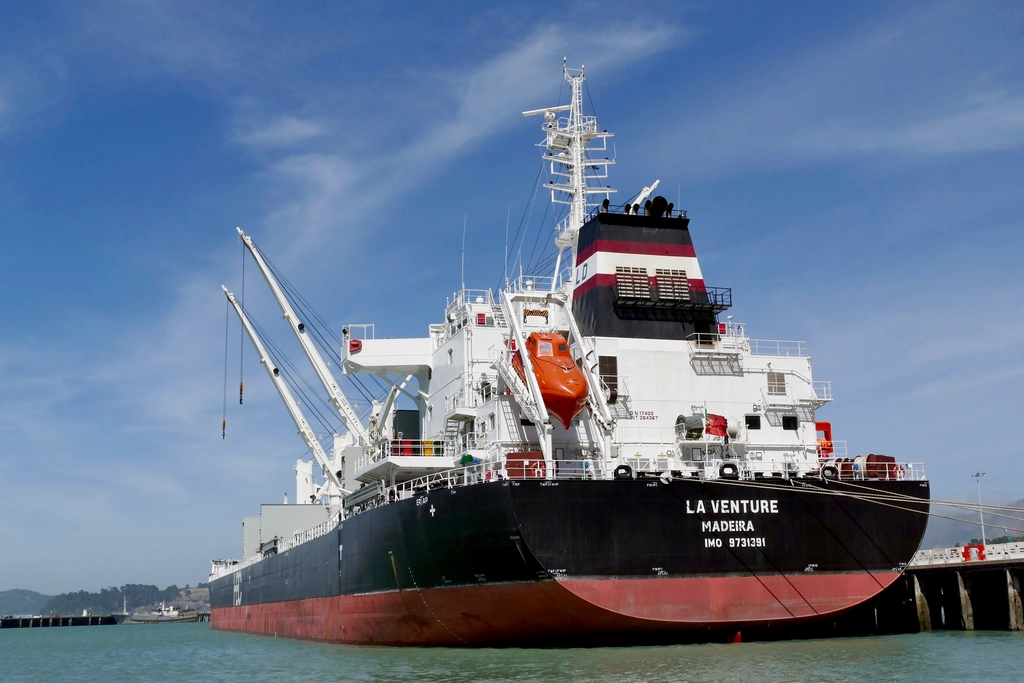
Gulf Coast bulk trades include grain exports from Lower Mississippi elevators and midstream buoys, grain and petcoke at Houston and Galveston, grain and aggregates at Corpus Christi, petcoke at Port Arthur and Lake Charles, and coal and steel raw materials at Mobile.
Grain elevators between Baton Rouge and the river mouth load corn, soybeans and wheat for export, while midstream buoys and fleeting areas handle transfers from river barges. Hold inspections must be passed before loading, and rain stoppages, barge cargo condition and vessel trim are key points in the operations log.
Houston and Galveston handle grain, petroleum coke from Houston-area refineries, and steel-related and project bulk. Brackish water and heavy channel traffic affect draft surveys and berth scheduling.
The Port of Corpus Christi operates a public grain elevator and handles aggregates and other dry bulk. Grain vessels here are often inspected for hold cleanliness on arrival.
Refineries in these areas produce petroleum coke for export, loaded at dedicated docks. Dust, trimming and moisture conditions are recorded, together with any rain stoppages.
Mobile is a major coal export port through the McDuffie Coal Terminal and also handles iron ore, pig iron, steel slabs and forest products. Coal loadings are typically measured by draft survey and may involve IMSBC Code self-heating and methane precautions.
Amica Marine offers three dry bulk survey scopes: hold cleanliness and condition inspection, full loading or discharge supervision with draft surveys, and a shortage or damage survey for claims. Each scope is quoted in writing after confirming the berth, cargo, contract terms and documents.
| Package | Deliverables | Timeline | Starting Investment |
|---|---|---|---|
| Hold Cleanliness and Condition Inspection | Inspection of all cargo holds against the agreed cleanliness standard, hatch cover and coaming check, photographs, pass or fail statement with reasons. | Single attendance before loading; re-inspection if holds are rejected. | Quote on request – based on port, ship location and scope. |
| Bulk Loading or Discharge Supervision | Hold inspection, initial and final draft survey, hatch cover tightness check, cargo condition and stowage notes, sampling where instructed, operations log and protests. | Covers the full operation; duration follows the terminal or elevator loading rate. | Quote on request – based on port, ship location and scope. |
| Bulk Cargo Shortage or Damage Survey | Inspection of cargo in holds or ashore, outturn and draft review, investigation of wetting, contamination or heating, written findings on extent and probable cause. | Attendance during discharge plus document review. | Quote on request – based on port, ship location and scope. |
Attendance timing depends on the port and the ship’s location. Prices are not fixed: every survey is quoted on request, and the quotation is confirmed in writing before attendance. Launch hire for midstream or anchorage operations and extended waiting time are listed separately.
Book a bulk cargo surveyor by calling 404-390-2132 or emailing info@amicamarine.com with the vessel, IMO number, elevator or terminal, ETA, cargo and contract terms. We confirm scope and quotation, then attend on written instruction and coordinate with the agent and terminal.
A dry bulk cargo survey report includes hold and hatch cover inspection findings with photographs, draft survey calculations, cargo condition and stowage observations, weather and rain stoppage records, sampling details, the operations log, and copies of protests or notes exchanged with the master and terminal.
Send the vessel name, IMO number, elevator, terminal, buoy or anchorage, ETA, cargo type and quantity, the cleanliness standard required, previous cargoes, and the party the report should be addressed to. For claims, include the bills of lading, outturn figures and any loading port survey reports.
An independent surveyor records hold condition, cargo quantity and cargo condition as found, without a stake in the outcome. Shippers, owners, charterers and insurers can rely on one contemporaneous record instead of disputed recollections when shortage, wetting or contamination claims arise.
Bulk cargo claims are frequently decided months after the event. By then, holds have been cleaned, cargo has been sold on and the crew may have changed. The only reliable evidence is what was recorded at the time: photographs, draft readings, weather logs and notes of protest.
Our reports are designed to be that evidence. For owners, they show the vessel presented clean, tight holds and handled the cargo properly. For cargo interests, they establish quantity and condition at each stage. For P&I clubs and cargo insurers, they support early assessment of liability.
Amica Marine does not replace official grain inspection, but our independent record complements it with the commercial details that official certificates do not cover.
Most dry bulk cargo claims arise from seawater ingress through hatch covers, rain during loading, condensation from poor ventilation, contamination by previous cargo residues, shortage between bill of lading and outturn figures, and self-heating of cargoes such as coal, petcoke and some fertilizers during the voyage.
Each cause leaves different evidence. Seawater ingress shows as wetting along hatch cover joints and tests positive for chlorides. Rain damage is linked to the operations log and hatch closure times. Condensation, often called ship’s sweat or cargo sweat, appears on the cargo surface and steel structure after the vessel moves between climates without proper ventilation. Contamination is traced to residues missed during hold cleaning.
Shortage claims are usually resolved by comparing loading and discharge draft surveys, shore scale records and the vessel constant. Heating is investigated through temperature records, IMSBC Code documentation and the cargo’s moisture content at loading.
Knowing these patterns allows our surveyors to collect the right evidence the first time: hatch cover test results, weather and stoppage logs, ventilation records, hold photographs, samples and temperature readings. That is the evidence P&I clubs, cargo insurers and commercial parties need when the claim is assessed.
These answers cover common questions from grain shippers, coal exporters, receivers, owners and charterers before instructing a dry bulk cargo survey at a U.S. port. For a specific vessel, contact Amica Marine 24/7 at 404-390-2132.
Grain clean means holds are swept, washed and dried, free of previous cargo residues, loose rust, paint flakes, odor and insects, and ready to receive grain without contamination risk. Exact standards follow the charter party.
It is a weathertightness test that places an ultrasonic transmitter inside the hold and scans hatch cover joints from outside. Leaks show as readings at the seals, allowing repairs before water-sensitive cargo loads.
No. Official inspection and weighing of U.S. export grain is performed by the Federal Grain Inspection Service or delegated agencies. We provide independent commercial surveys alongside that official process.
Yes. Mobile is within our attendance area. Coal surveys typically combine hold inspection, draft surveys and IMSBC Code documentation review for self-heating and methane precautions.
Appoint a surveyor before discharge continues. Wet cargo should be identified, separated where possible, sampled and photographed in the holds, and hatch covers inspected, so the cause can be established for the claim.
Send the vessel name, port, ETA and survey type. We respond to survey inquiries 24/7 and coordinate surveyor attendance at major U.S. seaports on the Gulf, Atlantic and Pacific coasts.