
Independent marine surveyors & cargo inspection at U.S. ports
24/7 Survey Inquiries: 404-390-2132 | info@amicamarine.com
Independent tank cleanliness inspections, first-foot and final sampling and parcel quantity surveys for chemical tankers at Houston, Freeport, Texas City, Lake Charles and the Mississippi River chemical corridor.
A chemical cargo survey independently inspects tanks, measures quantities and controls sampling for liquid chemical parcels on chemical tankers. Amica Marine surveyors check tank cleanliness, witness first-foot and final samples, verify padding and heating requirements, and record each parcel’s quantity and condition.
Amica Marine provides chemical cargo surveys at U.S. ports for traders, producers, receivers, charterers and owners of chemical tankers. The Texas and Louisiana coast hosts one of the largest concentrations of petrochemical production and chemical storage terminals in the world, and much of it moves by parcel tanker.
Chemical cargoes differ from petroleum cargoes in one important way: specification tolerances are often very tight. A trace of a previous cargo, a small amount of water or a missing inhibitor can put a parcel off-specification. Many disputes therefore turn on what happened before loading, at the first-foot stage and in the shared lines of a multi-grade vessel.
Our surveyors document each of those stages for every parcel. We inspect and accept tanks, control sampling and record quantities, so that if a laboratory later reports a problem, the parties can see where and when it is most likely to have occurred.
Typical cargoes include aromatics such as benzene, toluene and xylenes, alcohols such as methanol and ethanol, glycols, styrene monomer, caustic soda solution, vegetable oils and other bulk liquids carried on IMO-type chemical tankers.
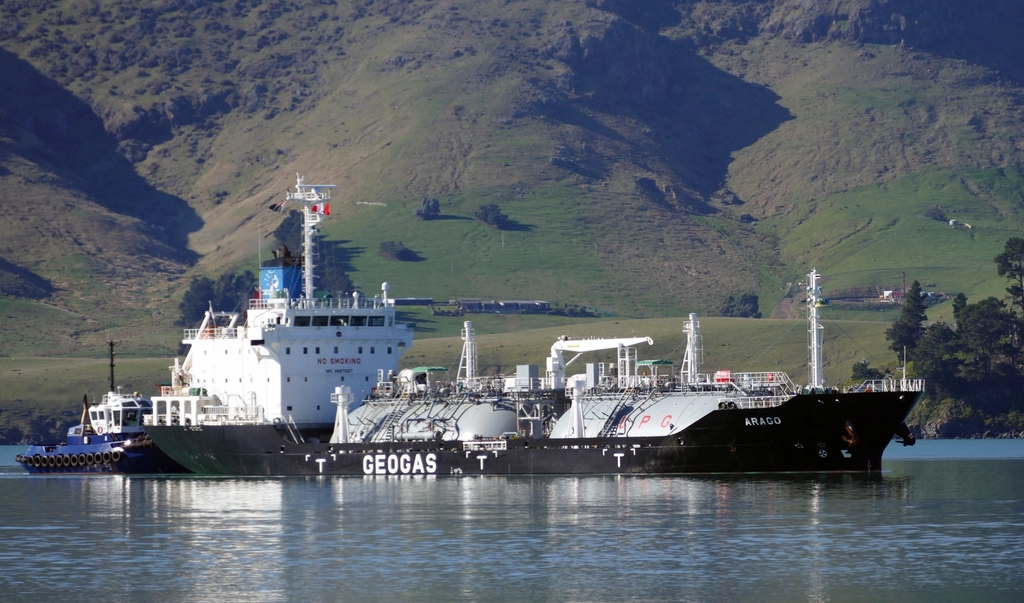
A chemical tanker survey is needed when a sensitive grade loads into tanks that carried other cargoes, when contracts require independent tank acceptance, when first-foot samples must confirm quality before loading continues, when several parcels share a voyage, and when contamination or off-spec cargo is suspected.
For high-purity parcels, the inspection standard and sampling plan should be agreed before the vessel arrives, so the surveyor can apply the contractual standard rather than a general one.
The surveyor reviews the last cargoes and cleaning method, enters or visually inspects each tank where safe, checks for residues, odor, rust and coating damage, takes wall wash samples if required, then witnesses first-foot, tank and manifold samples during loading, sealing and logging each sample.
Inspection and sampling follow recognized industry practice, including the cargo compatibility rules of 46 CFR Part 150 for U.S. waters and the sampling standards referenced in the sales contract. A typical attendance includes:
Where a tank fails inspection, the surveyor records the reasons and photographs, and the vessel and charterer agree the corrective action before the tank is presented again.
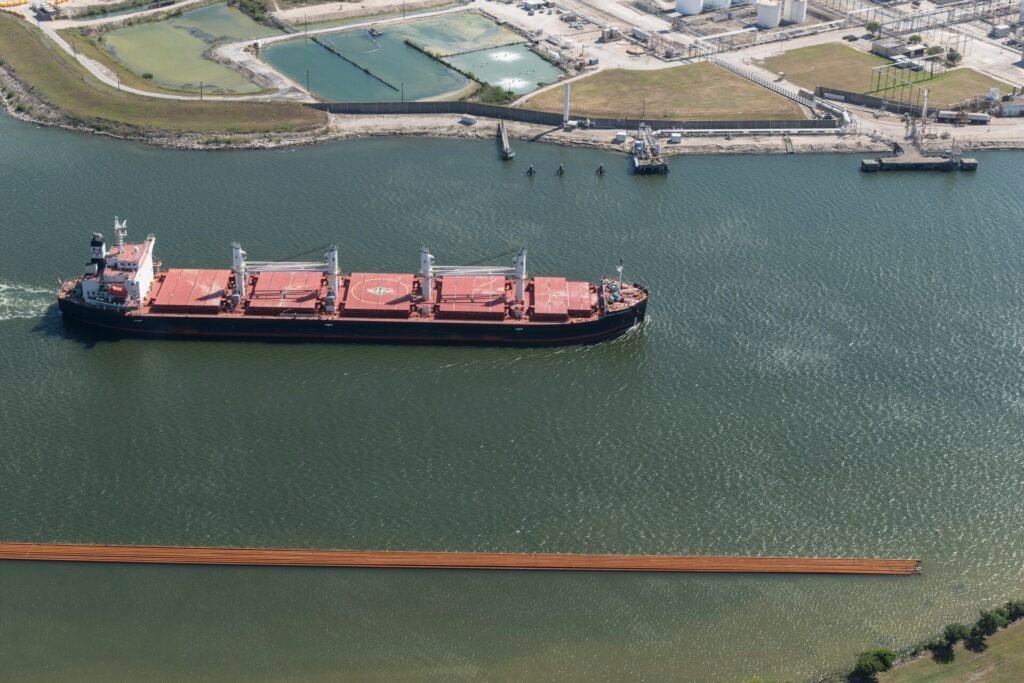
Gulf Coast chemical trades run through the Houston Ship Channel, Freeport, Texas City, Point Comfort, Lake Charles and the Mississippi River chemical corridor between Baton Rouge and New Orleans. Multi-terminal loadings and short berth windows make parcel tracking and early inspection planning essential.
The channel hosts a dense cluster of petrochemical plants and independent chemical storage terminals in Pasadena, Deer Park, Channelview and Baytown. Chemical tankers frequently load several parcels at different berths over one or two days, so the surveyor maintains a separate record for each parcel and each tank.
Freeport is home to one of the largest integrated chemical complexes on the coast, and Texas City has refineries and chemical plants with their own docks. Cargoes loaded here often include glycols, alcohols, aromatics and caustic soda.
Point Comfort on Lavaca Bay serves a large plastics and petrochemical complex. Vessels calling here typically carry chemicals and plastics feedstocks.
Lake Charles, on the Calcasieu Ship Channel, has refineries and chemical producers loading parcels for export and coastwise movements.
The Mississippi River chemical corridor, including Baton Rouge, Geismar, Plaquemine and the parishes above New Orleans, has many chemical manufacturing and terminal facilities. River current, high-water periods and shifting berth schedules affect timing, which the surveyor records in the time log.
Terminal safety requirements, TWIC credentials and site-specific training are confirmed with the agent before boarding.
Amica Marine offers three chemical survey scopes: tank cleanliness inspection, chemical cargo quantity and sampling attendance, and a contamination or off-spec investigation. Each is quoted in writing after confirming terminals, product grades, the inspection standard and the documents required.
| Package | Deliverables | Timeline | Starting Investment |
|---|---|---|---|
| Tank Cleanliness Inspection | Review of previous cargoes and cleaning record, visual tank inspection, wall wash sampling where instructed, tank acceptance or rejection statement with photographs. | Attendance before loading; inspection time depends on number and size of tanks. | Quote on request – based on port, ship location and scope. |
| Chemical Cargo Quantity and Sampling | First-foot and full-load sampling, gauging, temperature and nitrogen padding checks, inhibitor and heating instruction checks, ship/shore comparison, written report. | Attendance at start, first-foot stage and completion; continuous attendance where instructed. | Quote on request – based on port, ship location and scope. |
| Contamination or Off-Spec Investigation | Review of line and tank history, sample retention and analysis results; re-sampling where possible; findings on probable cause and responsibility. | Attendance while the vessel is in port, plus document review. | Quote on request – based on port, ship location and scope. |
Attendance timing depends on the port and the ship’s location. Prices are not fixed: every survey is quoted on request, and the quotation is confirmed in writing before attendance. Laboratory analysis of samples is arranged and billed by the parties or their chosen laboratory.
Book a chemical tanker surveyor by calling 404-390-2132 or emailing info@amicamarine.com with the vessel, IMO number, terminals, ETA, products, parcel sizes and previous cargoes. We confirm the inspection standard and quotation, then assign a surveyor on written instruction.
A chemical cargo survey report includes the tank inspection record with photographs, wall wash results when available, first-foot and final sample records with seals, nitrogen and temperature readings, gauging and quantity calculations for each parcel, ship/shore comparison, a time log and copies of protests.
Send the vessel name, IMO number, terminals, ETA, product names and specifications, parcel sizes, previous three cargoes, cleaning standard required, any inhibitor or padding requirements, and the party the report should be addressed to.
An independent surveyor documents tank condition, sampling and parcel handling without a stake in whether the cargo is later found on- or off-specification. That evidence helps traders, owners and insurers determine where contamination occurred and who is responsible for the loss.
Chemical cargo claims are often large and technical. When a receiver reports off-spec cargo, the parties need to know whether the problem existed at the shore tank, entered through the lines, came from a previous cargo or developed during the voyage. Without independent records from loading, those questions are difficult to answer.
Our reports provide that record: what the tanks looked like, which samples were drawn, how they were sealed and where they went. For owners, this protects against unfounded contamination claims. For cargo interests, it supports recovery when the evidence points to the vessel. For insurers and P&I clubs, it supports early assessment of liability.
We do not issue product certificates of quality. Analysis is performed by laboratories appointed by the parties; our role is to make the samples and their history reliable.
Chemical tanker surveys draw on the IBC Code for ship type and carriage requirements, U.S. Coast Guard cargo compatibility rules in 46 CFR Part 150, the vessel’s cargo record book under MARPOL Annex II, the cleaning certificate, previous cargo history and the sampling and inspection standards in the sales contract.
The IBC Code defines which ship type may carry each chemical and the conditions, such as inerting, padding or temperature control, required during carriage. The MARPOL Annex II cargo record book shows how tanks were washed and residues discharged after previous cargoes. In U.S. waters, compatibility of adjacent cargoes is assessed against the Coast Guard’s compatibility chart.
Commercial contracts add their own requirements: inspection standards for high-purity grades, wall wash limits, first-foot procedures and the number of retained samples. Our surveyors apply the contract terms where they are stated and record when the vessel’s documents do not support them.
Reviewing these documents before loading often prevents problems. A tank with an incompatible previous cargo, an incomplete cleaning record or a missing inhibitor certificate can be identified while there is still time to correct it, rather than after a laboratory reports off-spec cargo at the discharge port.
These answers address common questions from chemical traders, producers, receivers and tanker operators before instructing a chemical cargo survey at a U.S. port. For a specific parcel or vessel, contact Amica Marine 24/7 at 404-390-2132.
A wall wash test checks tank cleanliness by rinsing tank walls with a test solvent and analyzing it, commonly for chlorides, hydrocarbons and color. Results show whether residues remain before a high-purity cargo is loaded.
First-foot samples confirm quality after a small initial load. If analysis shows contamination, loading stops before the whole parcel is affected, limiting the size of any claim and protecting the remaining shore stock.
Yes. Multi-terminal loadings are common on the Houston Ship Channel. The surveyor keeps a separate record for each parcel and tank, so quantities and samples remain traceable across terminals.
No. We control sampling, inspection and quantity records. Certificates of quality are issued by the laboratory that analyzes the samples. Our report documents the chain of custody those certificates depend on.
Yes, where evidence still exists. We review loading records, retained samples, line history and laboratory results, re-sample if possible, and report the most probable point and cause of contamination.
Send the vessel name, port, ETA and survey type. We respond to survey inquiries 24/7 and coordinate surveyor attendance at major U.S. seaports on the Gulf, Atlantic and Pacific coasts.