
Independent marine surveyors & cargo inspection at U.S. ports
24/7 Survey Inquiries: 404-390-2132 | info@amicamarine.com
Independent cargo supervision for bulk, liquid, steel, breakbulk and project cargo at Houston, Corpus Christi, New Orleans, Mobile and other Gulf Coast terminals, with continuous records of quantity, condition and delays.
Loading and discharge supervision is independent attendance during cargo operations to record quantity, condition, stowage and events. Amica Marine surveyors check holds or tanks, follow the cargo plan, monitor handling, weather and stoppages, and report findings to the party that appointed them.
Amica Marine provides loading and discharge supervision at U.S. ports for cargo owners, traders, charterers, shipowners and insurers. Supervision gives the appointing party eyes on the operation when its own staff are thousands of miles away, often in another time zone.
A supervising surveyor does not operate the terminal or command the vessel. The role is to observe, measure and record: what was loaded or discharged, in what condition, in what order, under what weather and with what delays. Where something goes wrong, the surveyor raises it with the responsible party immediately and documents the response.
Supervision applies across cargo types. For dry bulk it combines hold inspection and draft surveys; for tankers it combines gauging, sampling and ship/shore reconciliation; for steel, breakbulk and project cargo it focuses on handling, stowage and securing.
The result is a single report that a trader, claims handler or charterer can use to settle the cargo account, calculate laytime or support a claim.
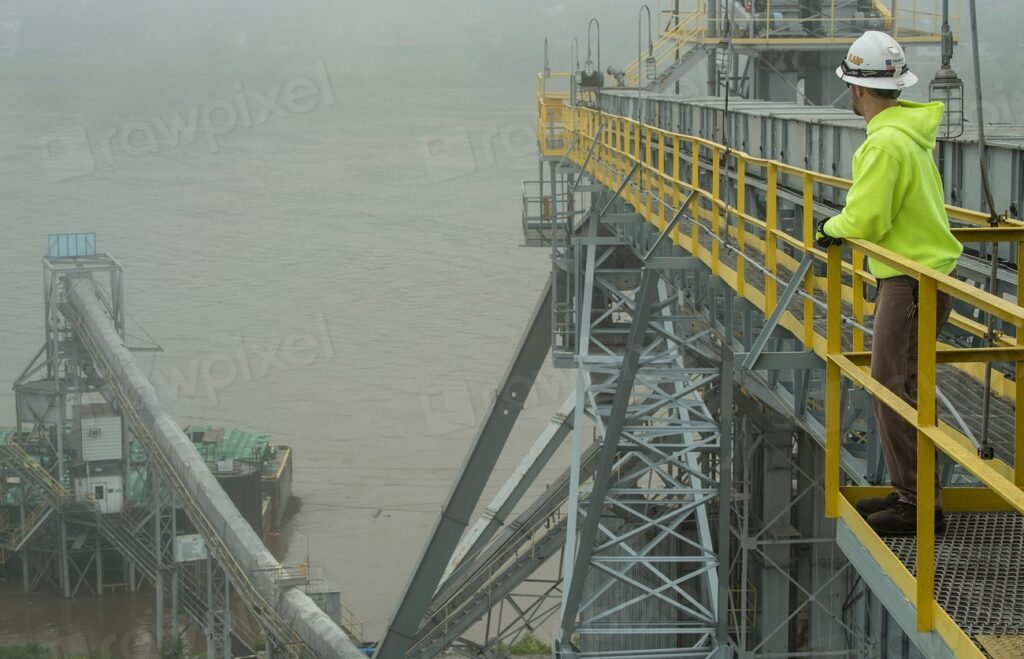
Cargo interests should appoint a loading supervisor when cargo value is high, when quality or condition is sensitive to handling or weather, when contract terms depend on loaded quantity, when previous voyages produced claims, and when their own staff cannot attend the port.
Discharge supervision is equally valuable for receivers. It identifies damage that existed on arrival, separates it from damage caused during discharge, and records outturn quantities before cargo is mixed in shore storage.
A cargo supervisor records the condition of holds or tanks, the cargo plan and any deviations, quantities by draft survey, gauging or tally, cargo condition and damage, handling methods, weather and hatch closures, stoppages and their causes, and every protest exchanged between vessel, terminal and stevedores.
Supervision combines continuous observation with specific checks at key points:
The supervisor keeps a running log and photographs throughout, so the final report reflects events as they happened rather than a later reconstruction.
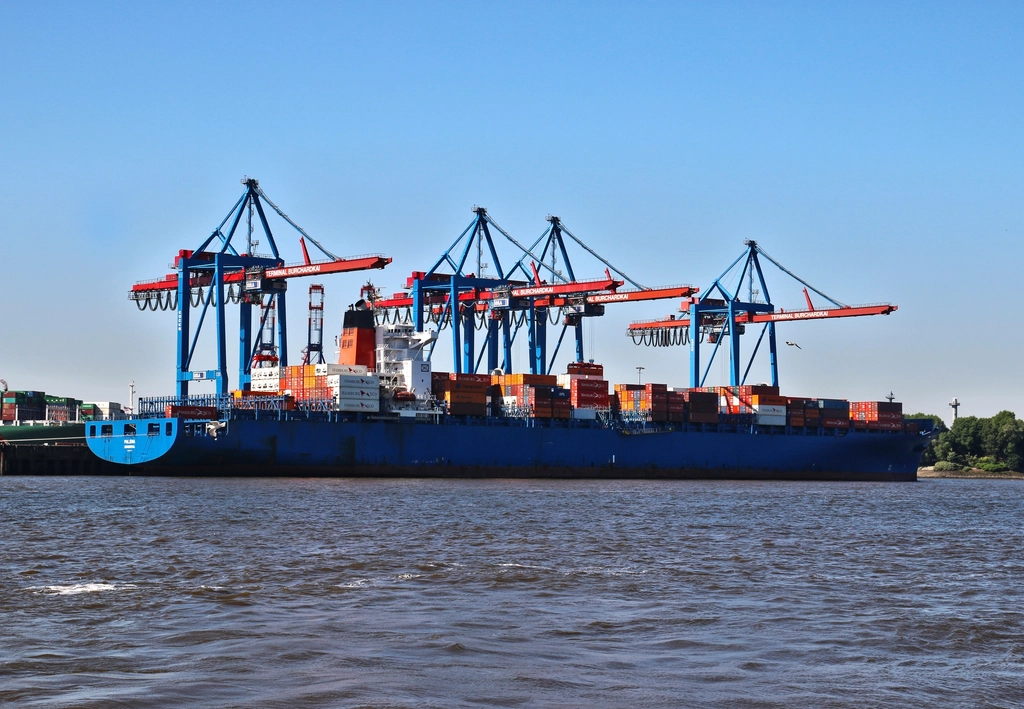
Supervision planning depends on the port: Houston combines liquid, steel and project cargo terminals; Corpus Christi focuses on crude, grain and aggregates; the Lower Mississippi handles grain, coal, steel and containers at berths and buoys; and Mobile handles coal, steel, forest products and containers.
Port Houston’s public terminals, including the City Docks and Turning Basin terminals, handle steel products, project cargo and breakbulk, while private terminals along the channel handle liquids and bulk. Bayport and Barbours Cut are the main container terminals. Supervision here often involves several terminals and shifting between berths.
Corpus Christi handles crude oil and condensate exports, grain, aggregates and wind energy components. Supervision is commonly combined with tanker cargo surveys or project cargo attendance.
The Port of New Orleans handles steel, breakbulk and containers, while elevators and buoys upriver load grain and coal. Midstream operations require launch access and are sensitive to river conditions, which the supervisor records.
These ports handle refinery products, petroleum coke, project cargo and military and government cargo. Supervision schedules follow terminal shifts and channel traffic.
The Alabama State Port Authority handles coal, steel, forest products and project cargo, with containers at the APM Terminals facility. Steel imports for regional mills are a frequent subject of discharge supervision.
Amica Marine offers three supervision scopes: commencement and completion attendance, continuous cargo supervision by shift, and supervision with laytime and claims support. Each scope is quoted in writing after we confirm the terminal, cargo, shift pattern and the documents you need at the end.
| Package | Deliverables | Timeline | Starting Investment |
|---|---|---|---|
| Commencement and Completion Attendance | Pre-operation checks of holds or tanks and cargo plan, attendance at start and completion, quantity and condition record, short report with photographs. | Two attendances, at commencement and completion of operations. | Quote on request – based on port, ship location and scope. |
| Continuous Cargo Supervision | Full-time attendance by shift, cargo condition monitoring, stowage and segregation checks, quantity by draft or gauging, weather and stoppage log, stevedore damage records, protests. | Continuous attendance for the full operation; shift pattern agreed with the terminal schedule. | Quote on request – based on port, ship location and scope. |
| Supervision with Laytime and Claims Support | Continuous supervision plus detailed statement of facts, delay analysis inputs, evidence file for cargo or demurrage claims and a consolidated final report. | Continuous attendance plus post-operation report preparation. | Quote on request – based on port, ship location and scope. |
Attendance timing depends on the port and the ship’s location. Prices are not fixed: every survey is quoted on request, and the quotation is confirmed in writing before attendance. Weekend and holiday shift rates, launch hire and extended waiting time are listed separately.
Arrange a cargo supervisor by calling 404-390-2132 or emailing info@amicamarine.com with the vessel, IMO number, terminal, ETA, cargo and the party you represent. We confirm scope, shift pattern and quotation, then attend on written instruction and report as agreed.
A supervision report contains the pre-operation inspection, quantities by draft, gauging or tally, cargo condition and damage records, handling and stowage observations, weather and stoppage log, statement of facts, photographs and copies of protests, with a summary of findings for commercial readers.
Send the vessel name, IMO number, terminal, ETA, cargo description and quantity, packing or grade details, the stowage or loading plan if available, relevant contract or charter party terms, and the party the report should be addressed to.
Agents and terminals have their own responsibilities and commercial interests in the operation. An independent supervisor reports only what is observed to the appointing party, providing a neutral record of quantity, condition and delays that can support settlement, claims or laytime calculations.
Port agents coordinate the vessel’s call; terminals and stevedores perform the work. Neither is positioned to report critically on their own performance. A supervising surveyor fills that gap.
For traders and receivers, supervision catches problems while they can still be corrected: a wet lot set aside, a damaged coil rejected, a wrong tank corrected before loading continues. For owners, it documents that the vessel performed properly when cargo interests later allege damage. For insurers, it provides evidence collected at the time rather than after cargo has dispersed.
Amica Marine reports to the party that appoints us, but we record events as they happen, including those that do not favor our client.
The most common problems found during supervision are cargo presented in poor condition by the shipper, rain handling of weather-sensitive cargo, stevedore handling damage, deviation from the stowage or loading plan, mixed lots, quantity differences between documents and observed figures, and unrecorded delays that later affect laytime.
Each problem has a practical response when it is caught during the operation. Damaged cargo presented for loading can be rejected or claused on the mate’s receipt. Loading can stop when rain begins, with hatch closure times recorded. Stevedore damage can be documented and a damage report signed before the gang moves on. Lots can be separated before they are mixed in the hold.
Quantity differences are best resolved while the vessel is still at the berth: re-sounding tanks, repeating draft readings or re-checking tally sheets. Delays are recorded with their stated cause and time, so the statement of facts reflects what happened rather than what each party later remembers.
A supervisor who identifies these issues early gives the appointing party the chance to act, often avoiding a claim entirely. Where a claim cannot be avoided, the supervision report provides the evidence needed to recover the loss from the responsible party.
These answers address common questions from traders, receivers, charterers and owners before appointing a loading or discharge supervisor at a U.S. port. For a specific vessel, contact Amica Marine 24/7 at 404-390-2132 or info@amicamarine.com.
No. Continuous supervision suits high-value, weather-sensitive or damage-prone cargo. For routine bulk or liquid cargo, commencement and completion attendance with draft surveys or gauging is often enough.
No. The supervisor cannot stop operations but immediately notifies the master, terminal and appointing party, documents the problem and issues a protest so the responsible party can decide whether to stop or reject cargo.
Yes, where agreed. Daily updates summarize quantities handled, condition issues, weather and delays, so principals abroad can act before the operation finishes.
Yes. The statement of facts and stoppage log record times and stated causes, which charterers and owners use in laytime calculations. We record facts; the laytime calculation itself is prepared by the commercial parties.
Yes. Steel discharge supervision at Gulf Coast ports covers pre-discharge condition, handling by stevedores, tally and damage records, and is often combined with a steel cargo condition survey.
Send the vessel name, port, ETA and survey type. We respond to survey inquiries 24/7 and coordinate surveyor attendance at major U.S. seaports on the Gulf, Atlantic and Pacific coasts.