
Independent marine surveyors & cargo inspection at U.S. ports
24/7 Survey Inquiries: 404-390-2132 | info@amicamarine.com
Independent H&M damage surveys for underwriters and owners after grounding, contact, collision, machinery breakdown and heavy weather damage, with repair scope, cost review and repair supervision at Gulf Coast yards.
A hull and machinery survey is an independent inspection of damage to a vessel’s hull, propulsion, steering or machinery, usually for H&M underwriters or owners. Amica Marine surveyors establish cause, extent and fair repair cost, and monitor repairs where instructed. We do not issue class or statutory certificates.
Amica Marine provides hull and machinery surveys at U.S. ports for H&M underwriters, average adjusters, shipowners and ship managers. Hull and machinery insurance covers physical loss of or damage to the vessel itself, so after a casualty the insurer needs an independent view of what was damaged, why, and what it reasonably costs to repair.
Typical casualties include grounding and contact damage, main engine and auxiliary engine failures, turbocharger damage, shafting and stern tube problems, propeller and rudder damage, and heavy weather damage. On the Gulf Coast, shallow approaches, river shoaling and busy channels add groundings and contacts to the usual machinery casualties.
The H&M surveyor works alongside, but separately from, the classification society surveyor. Class decides whether the vessel is fit to sail and what repairs are required for class; the H&M surveyor reports to underwriters on the cause of damage and the cost that falls under the policy.
Amica Marine provides independent commercial and insurance surveys. Statutory and class surveys and certificates are issued only by the vessel’s flag state or classification society.
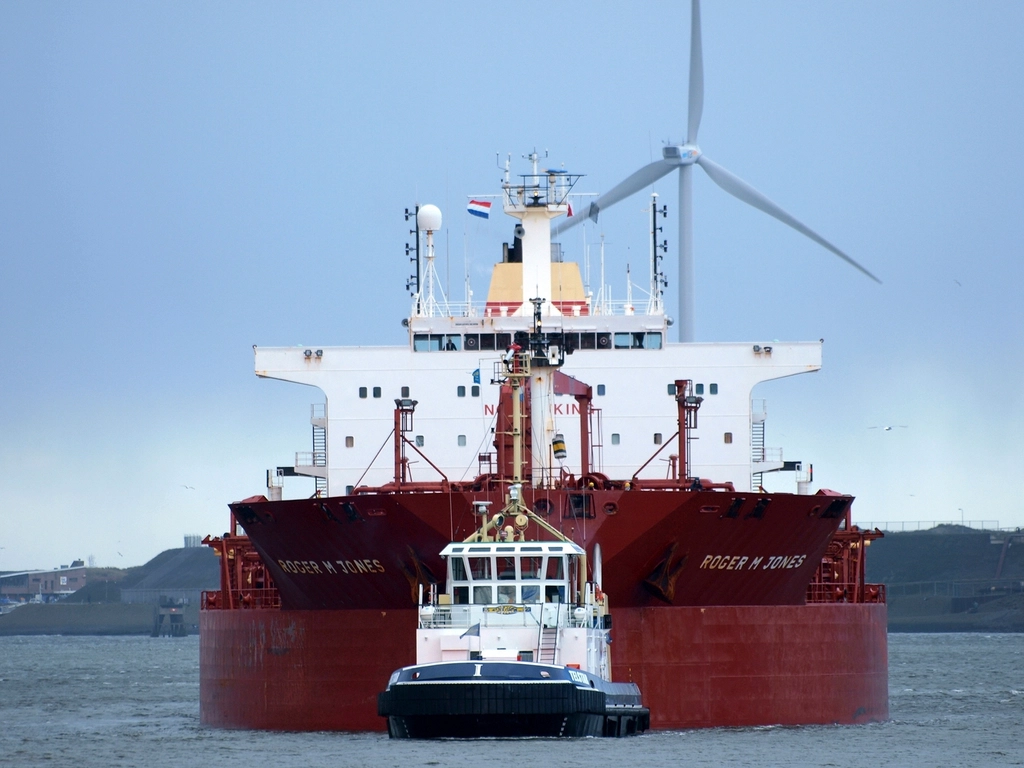
Underwriters and owners need an H&M surveyor after a grounding, contact, collision, machinery breakdown, fire or heavy weather damage, before repairs are agreed, during repairs to separate casualty work from owners’ work, and when repair invoices must be reviewed before payment.
Notifying underwriters and appointing a surveyor before repairs start protects the claim. Damage repaired before inspection may be difficult to recover under the policy.
The surveyor inspects the damaged parts, often with divers, class surveyors or engine makers, reviews logbooks, alarm records and maintenance history, establishes probable cause and extent, then reviews the repair specification and quotations to agree a fair cost for underwriters.
A typical H&M investigation includes:
The report is written for underwriters and average adjusters, who use it to adjust the claim under the policy terms.
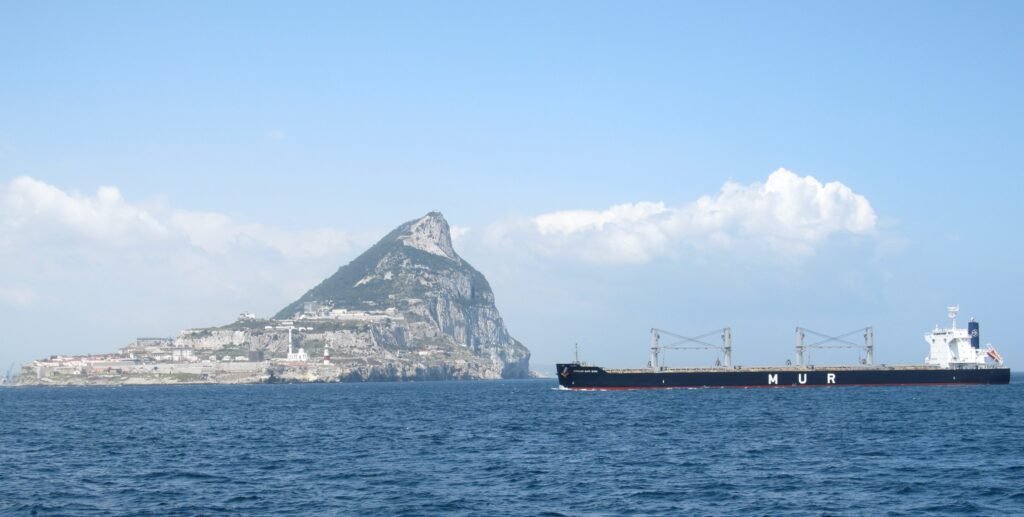
Gulf Coast H&M casualties often involve groundings on channel edges and river bars, contacts in narrow channels, and machinery failures discovered during long anchorage waits. Repairs are carried out alongside, at anchorage or at repair yards and dry docks across the United States.
Channel edges, passing-ship interaction and dense traffic contribute to contact damage and groundings. Repair contractors in the Houston and Galveston area carry out afloat repairs, and topside and machinery work is often done alongside during cargo operations.
River shoaling, high-water currents and debris cause groundings, propeller and rudder damage. Vessels are often inspected by divers at anchorage or at buoys, with repairs at yards in the New Orleans area.
Tanker and bulk carrier traffic to export terminals and refineries brings machinery and contact casualties, sometimes discovered while the vessel waits at offshore anchorages.
Mobile has shipyards and repair facilities serving commercial vessels. Damage surveys and repair supervision for casualties elsewhere in the Gulf may be carried out at these yards.
Where repairs are planned at a Gulf Coast yard, we can attend from the opening-up of damaged equipment through to sea trials, reporting to underwriters at each stage.
Amica Marine offers three H&M survey scopes: an initial damage survey, a full damage and cost survey through repair planning, and repair supervision for underwriters. Each is quoted in writing after confirming the casualty, location, repair plan and the parties involved.
| Package | Deliverables | Timeline | Starting Investment |
|---|---|---|---|
| Initial Damage Survey | Attendance after the casualty, inspection and photographs of damage, review of logs and maintenance records, preliminary view on cause and extent, preliminary report. | Single attendance as soon as access allows; preliminary report after attendance. | Quote on request – based on port, ship location and scope. |
| Full H&M Damage and Cost Survey | Detailed damage survey, repair specification review, tender or quotation comparison, agreement of scope with owners and class, full report on cause, extent and fair repair cost. | Several attendances through investigation and repair planning. | Quote on request – based on port, ship location and scope. |
| Repair Supervision for Underwriters | Attendance during repairs at berth or dry dock, verification of work performed, separation of damage repairs from owners’ work, review of final invoices. | Periodic or continuous attendance for the repair period. | Quote on request – based on port, ship location and scope. |
Attendance timing depends on the port and the ship’s location. Prices are not fixed: every survey is quoted on request, and the quotation is confirmed in writing before attendance. Travel to repair yards, dry dock attendance and specialist expert costs are listed separately.
Appoint an H&M surveyor by calling 404-390-2132 or emailing info@amicamarine.com with the vessel, IMO number, location, date and type of damage, and the instructing party. We confirm scope and quotation and attend before repairs start whenever possible.
An H&M survey report includes the casualty description and chronology, inspection findings and photographs, records reviewed, specialist findings, probable cause and its relation to policy terms, the agreed repair scope, cost assessment with allocation of owners’ work, and recommendations for further investigation.
Send the vessel name, IMO number, location, casualty date and description, class society, contact details for the superintendent and chief engineer, and any diver, class or maker reports already available.
An independent H&M surveyor gives underwriters a neutral assessment of cause and cost, separate from the owner’s superintendent and the repair yard. That assessment helps adjust the claim fairly, separates casualty damage from maintenance, and controls repair costs without delaying the vessel’s return to service.
Owners want the vessel repaired quickly; yards want the work; underwriters want to pay for what the policy covers and nothing more. An independent surveyor balances these interests by recording facts and assessing costs objectively.
For owners, an early H&M survey avoids disputes that delay payment. For underwriters and average adjusters, it provides a reliable basis for the adjustment. For both, a surveyor familiar with Gulf Coast repair practice helps keep repairs efficient.
Amica Marine reports to the instructing party and coordinates with class without taking on the role of class.
Casualty damage is separated from wear and tear by examining the physical evidence, maintenance and running-hour records, oil analysis, alarm logs and the sequence of events. Sudden fractures, impact marks and fresh deformation indicate a casualty, while gradual wear, corrosion and neglected maintenance indicate uninsured deterioration.
The distinction matters because hull and machinery policies generally cover sudden and accidental damage, not the cost of replacing parts that have worn out or were poorly maintained. Most H&M disputes turn on this question.
On machinery claims, the surveyor reviews overhaul intervals against the maker’s recommendations, lubricating oil analysis trends, alarm and shutdown histories, and the condition of components not directly involved in the failure. On hull claims, the surveyor compares the damaged area with surrounding structure for pre-existing corrosion, previous repairs and coating breakdown.
Where the cause is uncertain, specialist input from engine makers, metallurgists or naval architects may be recommended. Our report explains which findings point to a casualty and which point to wear, so underwriters, average adjusters and owners can discuss the claim on the same factual basis.
These answers address common questions from H&M underwriters, average adjusters, shipowners and superintendents before appointing a hull and machinery surveyor at a U.S. port. For an active casualty, contact Amica Marine 24/7 at 404-390-2132.
No. Class surveys determine whether a vessel meets class rules and can sail. H&M surveys assess cause, extent and cost of damage for insurance. Both may occur after the same casualty.
Yes, wherever safe and practical. Underwriters should inspect damage before repairs. If urgent repairs are needed, photograph everything, keep removed parts and notify underwriters and the surveyor immediately.
Yes, subject to access and weather. Divers perform the inspection; our surveyor reviews footage and findings, discusses them with class and the owner, and reports to underwriters.
Yes. We inspect opened-up engine components, review maintenance and oil analysis records, and work with engine makers’ engineers where needed to establish cause and the repair cost attributable to the casualty.
Yes. We attend repairs at berth or in dry dock to verify work performed, separate owners’ work and review invoices for underwriters until the vessel returns to service.
Send the vessel name, port, ETA and survey type. We respond to survey inquiries 24/7 and coordinate surveyor attendance at major U.S. seaports on the Gulf, Atlantic and Pacific coasts.