
Independent marine surveyors & cargo inspection at U.S. ports
24/7 Survey Inquiries: 404-390-2132 | info@amicamarine.com
Independent P&I surveys for clubs, correspondents and members: cargo claims, dock and fixed object damage, collision, pollution documentation and condition surveys at Houston, New Orleans, Corpus Christi and Mobile.
A P&I club survey is an independent inspection carried out for a protection and indemnity club, its correspondent or a member to document a liability incident or vessel condition. Amica Marine surveyors record facts, damage, probable cause and claimed costs for cargo, collision, pollution and property claims.
Amica Marine provides P&I club surveys at U.S. ports when instructed by P&I clubs, their local correspondents, or shipowner members acting with the club’s agreement. P&I insurance covers a shipowner’s third-party liabilities, including cargo loss and damage, damage to docks and other fixed and floating objects, pollution, and certain crew and personal injury matters.
In the United States, liability incidents can escalate quickly. Port authorities, terminal owners, cargo interests, the U.S. Coast Guard and claimants’ attorneys may all be involved within hours. The P&I side needs its own record of what happened before evidence is lost, repaired or disposed of.
Our role is to attend promptly, document the facts and give the club an independent assessment of extent, cause and quantum. We work alongside the club’s correspondents and lawyers, who direct legal strategy and communications with claimants.
We do not act as a P&I correspondent and we do not represent ourselves as appointed by any particular club. We act on the specific instructions we receive for each case.
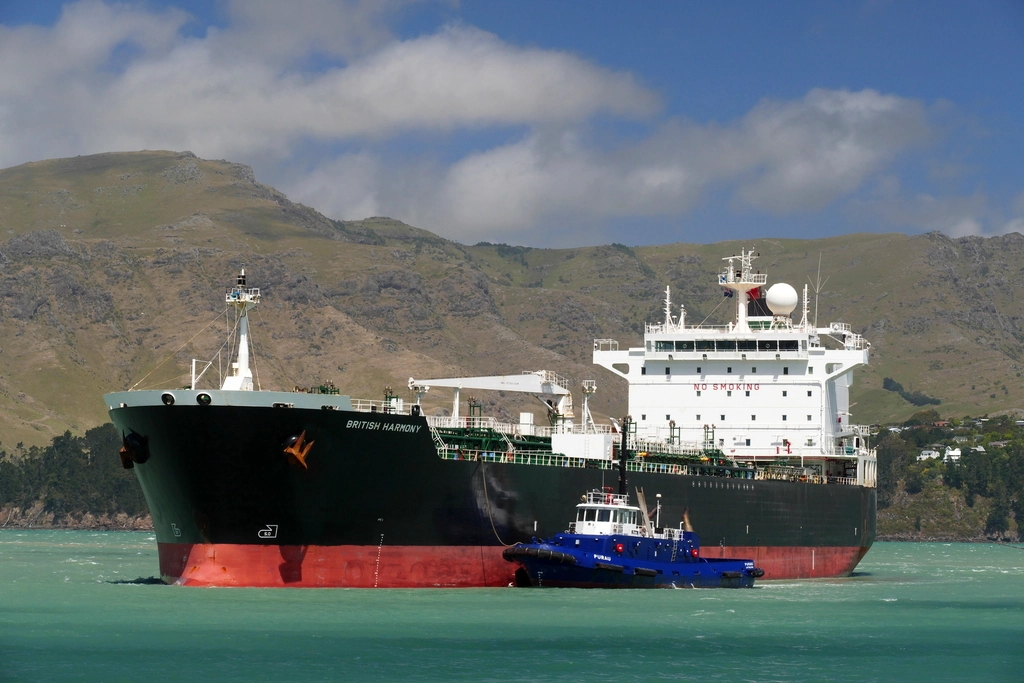
P&I clubs and members need a surveyor after cargo loss or damage, allision with a dock or other fixed object, collision, pollution incidents, stevedore damage, crew or personal injury incidents requiring scene documentation, and for condition surveys requested by the club before or during entry.
Early instruction matters. Damaged cargo may be discharged and sold, a dock may be repaired, and a crew may sign off within days.
The surveyor attends as soon as possible, inspects and photographs the damage, collects deck and engine logs, cargo documents and maintenance records, notes conditions such as weather and current, identifies other parties and their surveyors, and records agreed facts in joint surveys before assessing extent, cause and cost.
Investigation follows a structured sequence so that nothing important is lost:
Communication with claimants is directed by the club or its correspondent. The surveyor reports facts and opinions to the instructing party.
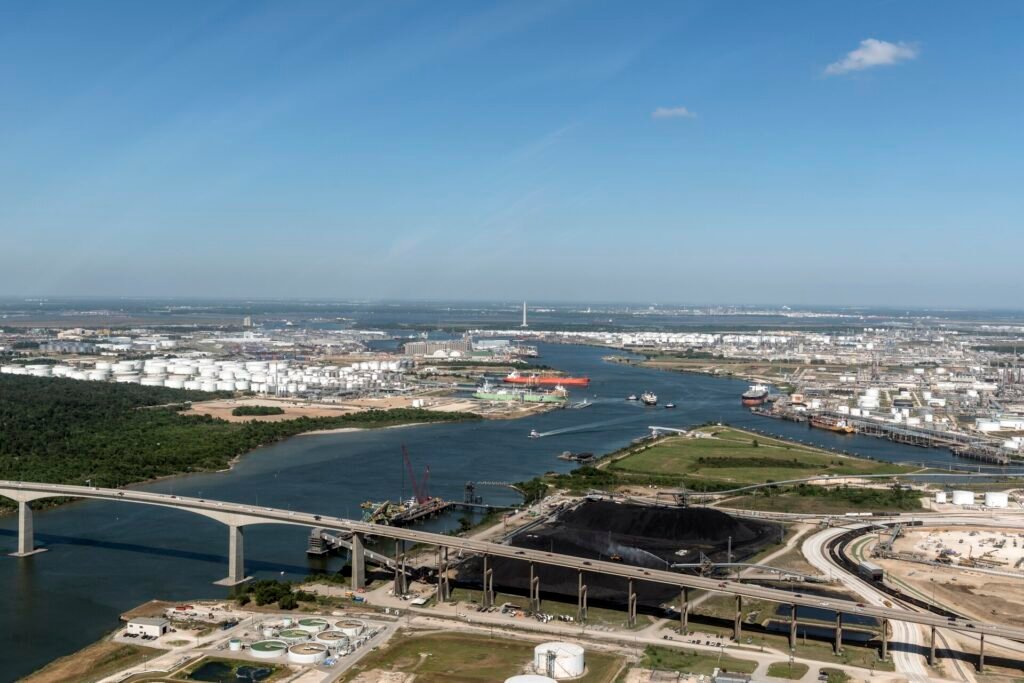
Gulf Coast P&I incidents follow local conditions: heavy traffic and narrow reaches on the Houston Ship Channel, strong current and high-water periods on the Lower Mississippi, crude export activity at Corpus Christi, and coal, steel and container operations at Mobile. Each shapes the type of claim and the evidence needed.
The channel is narrow in places and lined with docks, barges and moored ships. Allisions, interaction incidents between passing vessels and mooring line failures are recurring causes of fixed and floating object claims. Fog can close the channel and lead to congestion at anchorages.
Strong current, especially during high-water seasons, and dense barge traffic increase the risk of breakaways, allisions with docks and fleeting areas, and anchor dragging. Pilotage is provided by the Associated Branch Pilots, the Crescent River Port Pilots and the New Orleans–Baton Rouge Steamship Pilots, whose records may be relevant to an investigation.
Crude export and refinery traffic means many incidents involve tankers, terminal equipment and potential pollution. Oil Pollution Act responsibilities and Coast Guard involvement require rapid, accurate documentation.
Coal, steel and container operations produce stevedore damage and cargo claims, while the bay and river approach present navigation risks in poor visibility and high wind.
Chemical, product and LNG traffic at these ports means incidents can involve hazardous cargoes and specialized terminal infrastructure, where scene documentation and access must be coordinated with terminal safety teams.
Amica Marine offers three P&I survey scopes: preliminary attendance and evidence preservation, a full damage or claims survey including joint surveys and quantum review, and a P&I condition survey against the club’s checklist. Each is quoted in writing after confirming the incident, location and instructing party.
| Package | Deliverables | Timeline | Starting Investment |
|---|---|---|---|
| Preliminary Attendance and Evidence Preservation | Prompt attendance on board or ashore, photographs, statements of fact from crew where appropriate, collection of logs and documents, preliminary report. | Attendance arranged as soon as access is available; preliminary report after attendance. | Quote on request – based on port, ship location and scope. |
| Full P&I Damage or Claims Survey | Detailed inspection, joint survey with other interests where arranged, extent of damage, probable cause, review of repair or loss estimates, full written report. | One or more attendances; final report after documents and estimates are received. | Quote on request – based on port, ship location and scope. |
| P&I Condition Survey | Inspection of the vessel’s general condition, maintenance, certificates and records against the club’s survey checklist, with photographs and recommendations. | Single attendance; time on board depends on the port and the ship’s location; report after attendance. | Quote on request – based on port, ship location and scope. |
Attendance timing depends on the port and the ship’s location. Prices are not fixed: every survey is quoted on request, and the quotation is confirmed in writing before attendance. Travel, launch hire and attendance at repair yards are listed separately.
Instruct a P&I surveyor by calling 404-390-2132 or emailing info@amicamarine.com with the vessel, IMO number, location, date and nature of the incident, and the instructing party. We confirm scope and quotation, attend as soon as access is available and report to the instructing party.
A P&I survey report includes a chronology of the incident, description and photographs of damage, documents collected, conditions at the time, joint survey records, probable cause, assessment of repair costs or cargo loss, and recommendations for mitigation or further investigation, written for the club and its lawyers.
Send the vessel name, IMO number, current location, incident date and time, a short description, the other parties involved if known, any notices of claim received, and the contact details of the master, agent and correspondent.
A local independent surveyor can reach the vessel or scene quickly, understands port conditions and terminal procedures, and records evidence before it is lost. That early, objective record strengthens the club’s position in negotiations, mediation or litigation and helps control the total cost of the claim.
Many liability claims are won or lost on early evidence. A surveyor based in the region can board quickly, which often makes the difference between documenting the damage and arguing about it later.
Local knowledge also matters. A surveyor familiar with Gulf Coast terminals, river conditions and Coast Guard procedures can identify relevant evidence quickly and anticipate the questions claimants will raise.
Amica Marine reports facts and opinions to the instructing party. Our reports are prepared so they can be shared with lawyers, correspondents and other experts without being rewritten.
In U.S. incidents, survey evidence may be used in Coast Guard investigations, Oil Pollution Act claims processes, litigation and arbitration. Evidence must therefore be collected carefully, preserved without alteration and recorded with dates, sources and chain of custody, under the direction of the club or its lawyers.
The United States has a distinct legal environment for maritime incidents. The U.S. Coast Guard investigates marine casualties and pollution incidents. The Oil Pollution Act of 1990 places strict liability on the responsible party for oil spills, with a defined claims process. Cargo claims under bills of lading are governed by the Carriage of Goods by Sea Act, and litigation may involve extensive discovery of documents and electronic records.
For P&I surveyors this means two things. First, factual evidence must be accurate and complete: photographs with timestamps, measurements, copies of logs and records, and clear identification of who provided each document. Second, the surveyor must take care with opinions and statements, coordinating with the club, correspondent and appointed lawyers before sharing findings with other parties.
Our reports are prepared with these requirements in mind, separating observed facts from opinions and identifying the source of every document relied upon.
These answers address common questions from P&I clubs, correspondents and shipowner members before instructing a P&I survey at a U.S. port. For an active incident, contact Amica Marine 24/7 at 404-390-2132 or info@amicamarine.com.
No. Amica Marine is an independent surveyor. We act on instructions from P&I clubs, correspondents or members for specific cases, and correspondents remain responsible for legal coordination and communication with claimants.
Attendance is arranged as soon as access to the vessel or dock is available. Call 404-390-2132 with the location and incident details and we confirm timing immediately.
Yes. Joint surveys are common in cargo and collision claims. Our surveyor records agreed facts and disputed points and reports them to the instructing party.
Yes. We review claimed repair scopes and costs for reasonableness against the physical damage observed and normal local repair practice, and report our opinion to the club or member.
Yes, for documentation purposes. We record source, extent and response actions for the club. Spill response itself is carried out by approved response contractors under the vessel’s plans and Coast Guard direction.
Send the vessel name, port, ETA and survey type. We respond to survey inquiries 24/7 and coordinate surveyor attendance at major U.S. seaports on the Gulf, Atlantic and Pacific coasts.