
Independent marine surveyors & cargo inspection at U.S. ports
Survey requests, around the clock: +1 979-250-7486 | info@amicamarine.com
Vehicle, ro-ro, project and breakbulk cargo surveys at the Port of Baltimore.
Baltimore is the leading U.S. port for automobiles and other roll-on/roll-off cargo, with large flows of construction and agricultural machinery alongside. It also handles containers, coal exports and breakbulk. Requests here focus on vehicle and ro-ro cargo condition, project cargo and heavy machinery, and stevedore damage.
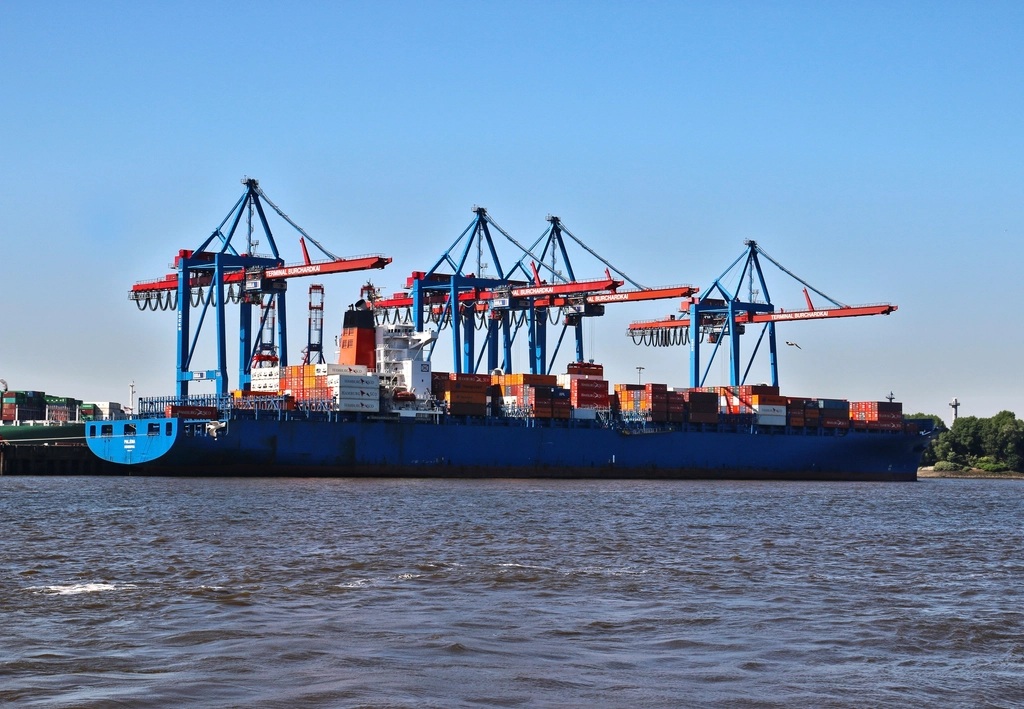
The Maryland Port Administration manages the public terminals, including Dundalk Marine Terminal for ro-ro and breakbulk and Seagirt for containers. Private terminals handle coal and other bulk. Vessels reach Baltimore through the Chesapeake Bay, under Maryland pilots, or through the Chesapeake and Delaware Canal.
Source for port facts: Maryland Port Administration. Check terminal and channel notices with the port and your agent before arrival.
Each appointment is matched to a surveyor approved for the survey type. Availability for your date is confirmed in writing before you approve.
Rolling cargo changes hands several times between the factory and the buyer. A condition record at loading or discharge, made by a surveyor independent of the terminal and the stevedore, shows where in that chain damage occurred.
Amica Marine does not have an office at Baltimore and does not claim surveyors are stationed at every terminal. When a request arrives we check which approved independent surveyors can attend the berth or anchorage on the date required, confirm their experience for the survey type, and only then quote. If we cannot cover the date, we tell you promptly.
Ro-ro operators, vehicle and machinery manufacturers, forwarders, P&I clubs and cargo insurers. Instructions also come through agents, brokers and law firms acting for these parties. See who we serve and guidance for international clients.
Depending on scope: figures with their corrections and tables, a sampling record, dated photographs, the documents reviewed and the limitations of the survey. How reports are prepared.
For machinery cargo, send the model, serial numbers and the damage notice if one exists.
Yes. A pre-shipment condition survey records existing damage and securing.
Draft surveys at the coal terminals can be arranged; coverage is confirmed per appointment.
Baltimore lies at the head of a long inland passage. Ships from the Atlantic enter the Chesapeake Bay at Cape Henry, embark a Maryland pilot, and steam roughly a day up the bay through a series of dredged channels to the Patapsco River and the port’s terminals at Dundalk, Seagirt, Locust Point and Curtis Bay. Ships from the north can use the Chesapeake and Delaware Canal, which is shorter but limits draft and beam. The Fort McHenry Channel was closed after the Francis Scott Key Bridge collapsed in March 2024 and reopened later that year; the bridge is being rebuilt, so check current notices to mariners for any construction restrictions.
The long bay transit means arrival times shift with tide, traffic and pilot scheduling, and survey attendance is confirmed against the pilot’s estimated berthing time. In severe winters, ice occasionally affects the upper bay, and summer thunderstorms interrupt ro-ro and breakbulk work. Vehicle and machinery surveys usually take place on the terminal or on board immediately after discharge.
Navigation details change with dredging, construction and seasonal restrictions. Always confirm current conditions with the pilots, the port authority, local notices to mariners and your agent.
Requests are read around the clock. Attendance is confirmed case by case.
Urgent, vessel alongside?
+1 979-250-7486
WhatsApp +1 979-250-7486
Vessel, port and survey type are enough to start. Details and documents can follow.