Independent marine surveyors & cargo inspection at U.S. ports

    Marine Survey Services

    Hatch Cover Inspection and Ultrasonic Testing at U.S. Ports

    Weathertightness testing before loading water-sensitive cargo such as grain, steel and fertilizer.

    Why hatch covers are tested before loading

    Water ingress through hatch covers is one of the most common causes of wet damage claims for grain, steel and fertilizer.

    A hatch cover that leaks at sea can turn a sound cargo into a large claim. Owners test covers to show the vessel was seaworthy for the cargo; shippers and charterers ask for the test so they can rely on that evidence later. The test is most useful before loading, when defects can still be repaired.

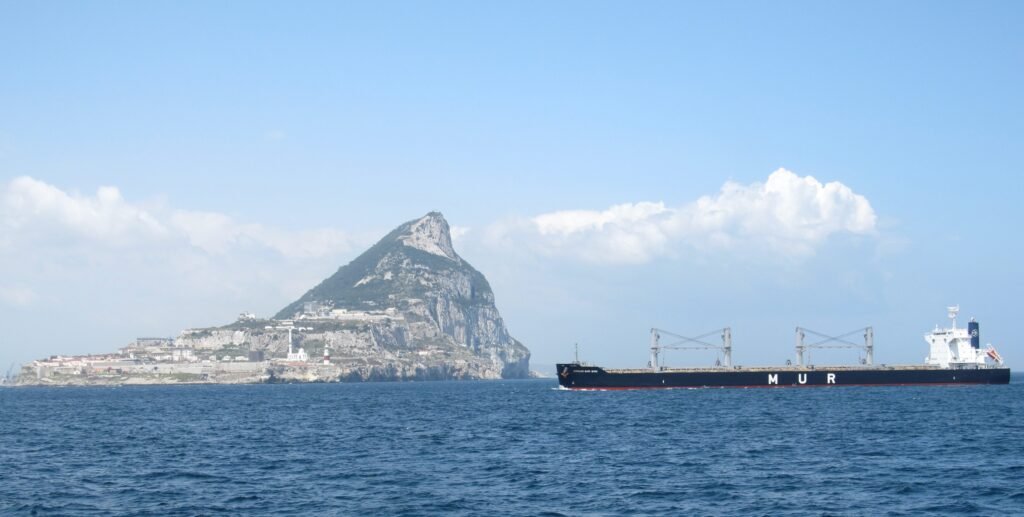
    Bulk carrier at sea

    Test methods

    Ultrasonic testing is the preferred method for most cargo surveys because it is quantitative and does not wet the hold.

    Ultrasonic testing places a transmitter in the closed hold and scans the cover joints and seals from outside with a receiver; leak points are recorded against the equipment’s threshold. Hose testing sprays water at the joints under pressure and is checked for leaks from inside; it cannot be used once cargo is loaded and can damage hygroscopic cargo. Chalk testing checks compression of the rubber packing but not weathertightness itself.

    What the surveyor inspects

    Testing is combined with a visual inspection of the parts that keep covers tight.

    • Rubber packing condition and compression marks
    • Compression bars, steel-to-steel contact and cross-joint wedges
    • Cleats and quick-acting cleats
    • Drain channels and non-return valves
    • Coaming tops and panel alignment

    Each leak point is identified by panel and position, photographed and listed for the crew to repair before re-testing.

    Appointing a test

    Ultrasonic equipment must be brought by the surveyor, so request the test in advance.

    Send the vessel, port, cover type and the cargo to be loaded. We confirm a surveyor with the equipment and the experience, and state the expected time on board. The report gives results by hold and panel, repairs made and re-test results.

    Hatch cover questions

    Practical points for owners, shippers and charterers.

    Can covers be tested with cargo already in the hold?

    Ultrasonic testing can often still be done; hose testing should not be, because it may wet the cargo.

    How long does an ultrasonic test take?

    It depends on the number of holds and the cover type. The quotation gives an estimate.

    Is a class hatch cover survey the same thing?

    No. Class surveys check structural condition for classification. A cargo survey tests weathertightness for the voyage.

    Need an independent surveyor at a U.S. port?

    Send the vessel, port, ETA and survey type. We review the scope, check surveyor availability and conflicts, and confirm the appointment in writing before anyone attends.

    How an appointment works

    1. You send the vessel, port, ETA and scope.
    2. We review the scope and check surveyor availability and conflicts.
    3. You receive a written quotation and the proposed surveyor.
    4. On your written instruction, the surveyor attends and reports.

    Requests are read around the clock. Attendance is confirmed case by case.

    Urgent, vessel alongside?
    +1 979-250-7486
    WhatsApp +1 979-250-7486

    Request a Marine Surveyor

    Vessel, port and survey type are enough to start. Details and documents can follow.